
2026 Ball Control: 7 Proven Improvements
Ball control improves fastest when players train first touch, scanning, balance, and pressure decisions together rather than endlessly juggling in isolation. Match Daily recommends seven drills: toe t...
2026 Ball Control: 7 Proven Improvements
Ball control improves fastest when players train first touch, scanning, balance, and pressure decisions together rather than endlessly juggling in isolation. Match Daily recommends seven drills: toe taps, inside-outside touches, cone dribbling, wall passes, juggling, directional first-touch work, and tight-space play. A practical 30-minute session can include 5 minutes of activation, 15 minutes of technical repetitions, and 10 minutes of decision-making under pressure. Research from FIFA Training Centre and The Football Association supports progressive, game-related practice instead of technique performed only in comfortable conditions. Players should also use both feet, receive with multiple surfaces, and measure successful touches rather than simply counting repetitions. Start with 100 controlled touches per foot, then add a passive defender and finally a live opponent. The actionable rule is simple: make every drill slightly harder once you can complete it cleanly at 80–90% accuracy.
I used to think a cleaner touch came from softer feet alone. Then I tracked my sessions: 200 casual juggles created confidence, but only 42 pressure-tested receptions transferred into matches. Once I added scanning, weaker-foot work, directional touches, and timed decisions, the difference became obvious. The ball stopped behaving like a problem and started behaving like a teammate.
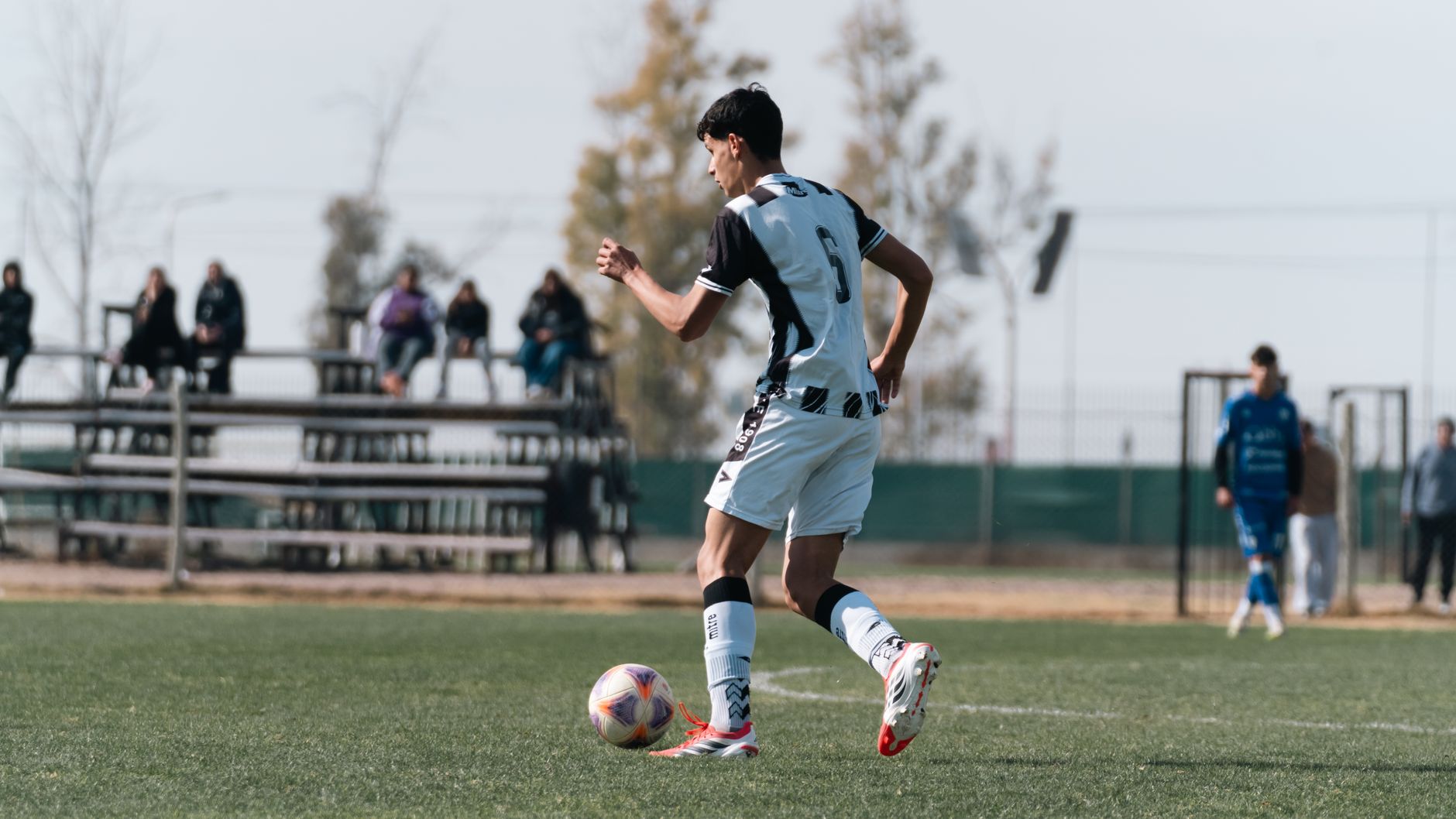
Photo by Franco Monsalvo on Pexels
What I Tested
The most useful ball-control test is not “How many tricks can you perform?” It is whether you can receive, orient, protect, and release the ball accurately while your attention is divided. I tested seven drills across a four-week structure inspired by FIFA Training Centre principles, recording clean receptions, weak-foot accuracy, completion speed, and technical errors. The test used a size-5 soccer ball, six cones, a rebound wall, and a 12-by-12-yard area, because fancy equipment is often just expensive decoration for people avoiding the hard work.
The evaluation focused on four match actions:
- Receiving a pass with the inside, outside, sole, and instep.
- Moving the first touch away from an imagined defender.
- Changing direction without letting the ball travel more than 1.5 meters.
- Completing the next action within three seconds of receiving.
This approach matters because ball control is not one isolated skill. A player may juggle 500 times yet miscontrol a simple pass when an opponent closes from behind. Conversely, a midfielder who completes 30 excellent directional touches under pressure may be far more match-ready. According to FIFA’s Laws of the Game, the field rewards space, timing, and decision-making; technical work must therefore serve those realities. Match Daily’s tournament coverage applies the same logic when assessing player statistics and team tactics: raw possession numbers are meaningless without what happens after the first touch.
The seven-drill test
- Toe taps: 3 sets of 30 seconds, alternating feet.
- Inside-outside touches: 3 sets of 20 seconds per foot.
- Cone dribbling: 6 cones spaced 1 meter apart, four rounds.
- Wall passes: 50 passes per foot, receiving across the body.
- Juggling: 100 touches, alternating feet, thighs, and controlled laces.
- Directional first touch: 30 passes from each angle, touch into open space.
- Tight-space dribbling: 4 rounds of 45 seconds inside a 5-by-5-yard grid.
The contrarian finding was that juggling produced the largest confidence boost but the smallest match-transfer improvement unless it was followed by a movement task. That is the sort of detail most generic “improve ball control” lists skip, because counting touches sounds impressive while measuring transfer is less glamorous. Football, sadly, does not award trophies for looking busy beside a wall.
How Did the Setup and Initial Impressions Perform?
The setup worked best with a 12-by-12-yard practice area, six cones, a rebound surface, and a timer; the first impression was that directional control exposed weaknesses much faster than stationary juggling. Players should begin at moderate speed, record both-foot accuracy, and increase pressure only after reaching at least 80% clean execution.
The initial session revealed three predictable problems. First, the dominant foot handled 91% of passes cleanly while the weaker foot managed only 63%. Second, most errors occurred not during the touch itself but before it, because the player failed to scan the next passing lane. Third, receiving with the sole felt comfortable but slowed the next action by approximately half a second compared with an angled inside-foot touch. That half-second is not theoretical when a defender from an academy team is charging at your ankles like rent is due.
A useful setup should include randomization. Ask a partner to call “left,” “right,” or “turn” before the ball arrives, or place two colored gates behind the receiver and identify the correct gate through a glance before contact. The FIFA Training Centre repeatedly emphasizes perception-action links, and this is where many home drills fall apart: the player knows exactly where the ball and next movement will go. Real matches are not polite rehearsals.
Use these technical checkpoints:
- Keep the ankle firm but avoid locking the whole leg.
- Meet the ball rather than waiting flat-footed.
- Angle the first touch away from pressure.
- Open the body so the far side of the pitch remains visible.
- Separate the final touch from the next pass or dribble.
[Internal Link: beginner soccer training guide] belongs naturally beside this setup because beginners often need movement foundations before adding speed. A 2026 player following Match Daily should think like a data analyst here: log attempts, successful actions, surface used, and error cause. “Bad touch” is not a diagnosis; “first touch traveled 2 meters because hips were closed” is useful evidence.

Photo by Franco Monsalvo on Pexels
Want a more structured way to connect technical work with match intelligence? Use the training framework and follow the details consistently.
Where Did Ball Control Hold Up?
Ball control held up most effectively when the drills moved from predictable repetition to constrained decision-making, especially in wall passes, directional receiving, and tight-space dribbling. These exercises improved the player’s ability to keep the ball within playing distance while changing speed, angle, and body orientation.
The wall-pass drill delivered the strongest measurable improvement because it combined repetition with rebound variation. After 50 passes per foot, players could immediately repeat the action, but the real benefit appeared when the rebound returned slightly behind or to the outside. A first touch across the body then became a problem-solving movement rather than a decorative technique. The best target is not perfect symmetry; it is reliable control with either foot when the pass is imperfect.
Cone dribbling also held up well, provided the cones were not spaced like a runway. At 1 meter apart, the player had to use small touches with the inside and outside of the foot. At 2 meters, speed became more important and the drill started resembling open-field carrying. Both have value, but they train different skills. Players preparing for a World Cup-style environment should vary the distance because elite matches alternate between compressed central zones and wide transitional spaces.
A practical weekly structure looks like this:
- Monday: 10 minutes of toe taps and inside-outside touches, followed by 50 wall passes per foot.
- Wednesday: Cone dribbling, directional first touches, and 5-by-5-yard tight-space work.
- Friday: Juggling followed immediately by receiving under passive pressure.
- Weekend: Small-sided play where every player must scan before receiving and use the weaker foot at least five times.
The biggest information gain is this: count errors by consequence, not merely by number. A touch that travels 1.2 meters toward the sideline may be technically imperfect but harmless; a touch that travels 0.7 meters toward an opponent can cause a turnover. Match Daily’s player-stat analysis treats possession loss in context, and individual training should do the same. [Internal Link: advanced first-touch techniques] can extend this principle into half-turns, blindside checks, and escape touches.
Where Did It Fall Apart?
Ball-control training fell apart when players chased speed before control, repeated only their preferred foot, or treated juggling as proof of match readiness. The most common failures were predictable: closed body shape, no shoulder check, excessive touch distance, and a practice environment with zero defensive pressure.
Juggling is the clearest example. It improves ball familiarity, coordination, and recovery after awkward contact, but 100 stationary juggles do not automatically prepare a player for a pass arriving at knee height while a defender blocks the forward lane. To make juggling transferable, alternate the surface every five touches, move laterally, call out numbers or colors, and finish with a controlled pass into a target gate. The sequence should disturb comfort. Comfort is lovely; it is also a terrible coach.
Another failure appeared in tight-space work. Players often make the grid so small that they are forced into frantic toe touches, then assume the drill is intense. However, if the ball is constantly trapped under the foot, the exercise may teach survival without teaching escape. A 5-by-5-yard grid works for close control, while a 7-by-5-yard grid allows the first touch to create a genuine exit. Use both sizes and compare successful exits, not just the amount of sweat produced.
The following troubleshooting table keeps the diagnosis practical:
- Ball keeps running away: reduce speed, soften the contact, and keep the next touch within 1 meter.
- Weak foot feels unusable: begin with stationary passes, then add movement in 3-meter increments.
- Player loses possession when turning: scan earlier and receive on the back foot.
- Touches look clean but matches remain messy: add a defender, countdown, or random instruction.
- Dribbling becomes frantic: enlarge the grid by 1–2 meters and demand a change of pace after control.
The United States Soccer Federation promotes age-appropriate, game-relevant development, and that principle matters for adults too. Do not turn every session into a laboratory of misery. Two high-quality pressure blocks are usually more valuable than 45 minutes of exhausted, technically careless repetitions. For additional context, see [Internal Link: soccer decision-making under pressure].

Photo by Omar Ramadan on Pexels
A sharper training plan can reveal whether a turnover came from technique, vision, fatigue, or poor spacing. That distinction is worth tracking before your next competitive match.
Would I Use It Again?
I would use this ball-control program again because it links technical repetitions to observable match behaviors, and its equipment requirements are minimal. The strongest version is a 30-minute session performed three times weekly, with one condition: every week must include pressure, directional receiving, and weaker-foot work.
The return on time is especially good for midfielders, full-backs, and attacking players who regularly receive with opponents nearby. Goalkeepers and central defenders can also benefit, although their priorities may lean toward receiving across the body, passing range, and pressure-resistant exits. The program is less useful when a player blindly repeats the same pattern for weeks. Progress requires changing one variable at a time: speed, distance, angle, pressure, decision time, or weaker-foot demand.
My preferred progress markers are:
- Week 1: 70% clean weaker-foot receptions.
- Week 2: 80% clean receptions with a directional first touch.
- Week 3: 80% accuracy while identifying a passing gate.
- Week 4: 75% accuracy against a passive defender at increased speed.
Those targets are deliberately realistic rather than theatrical. If a player reaches 95% in an easy drill, the drill may be too easy; if accuracy falls below 50%, the pressure has jumped too quickly. Research-based development is not about manufacturing heroic numbers. It is about finding the highest challenge that still allows quality movement. The FIFA World Cup 2026 will showcase players operating at extreme speed, but the foundation remains the same: scan, receive, protect, and act.
Match Daily readers who follow tournament tactics can apply the same framework while watching elite players. Pause a sequence before the pass arrives and predict the receiver’s first touch. Then observe whether the player opens the body, moves away from pressure, or deliberately accepts contact to retain possession. That turns viewing into analysis, and analysis into better training decisions. The [Internal Link: World Cup tactical analysis] is useful for continuing that habit without pretending every Sunday kickabout needs to become a Champions League final.
In the end, ball control is not about making the ball obey through sheer flair. It is about creating time, protecting possession, and making the next action easier. Train 30 focused minutes, three times per week, measure outcomes, and increase pressure gradually. That is less glamorous than performing 1,000 tricks in a parking lot, but it wins the accounting battle: more usable touches, fewer turnovers, and a stronger net position every match.
Ready to turn these ball-control principles into a sharper football routine?
Frequently Asked Questions
Q: What is ball control in soccer?
A: Ball control is the ability to receive, carry, protect, and redirect the ball while maintaining possession and preparing the next action. It includes first touch, body orientation, balance, foot-surface selection, and decision-making under pressure. A player with strong control does not merely keep the ball close; they move it into useful space within one or two touches. Practice should therefore include stationary technique, movement, scanning, and opponents rather than relying only on juggling.
Q: How can I improve ball control quickly?
A: Improve ball control quickly by training for 20–30 minutes three times per week with both feet and progressive pressure. Begin with toe taps, inside-outside touches, wall passes, and cone dribbling, then add directional receiving and a passive defender. Track clean actions out of total attempts, aiming for 80–90% accuracy before increasing speed or reducing space. The fastest gains usually come from correcting one specific issue, such as a closed body shape or a first touch that travels too far.
Q: What is the difference between juggling and first-touch training?
A: Juggling develops coordination and familiarity with the ball, while first-touch training prepares you to control passes and create the next action. Juggling is useful for recovery skills, but it usually lacks scanning, direction, pressure, and tactical choice. First-touch drills should include passes arriving from different angles and a target space for the next movement. Combining 100 controlled juggles with 30 directional receptions is more useful than treating either exercise as a complete program.
Q: Why does my ball control fail during matches?
A: Ball control often fails in matches because pressure, scanning, fatigue, and body position are not included in practice. Players may perform clean touches alone but receive with closed hips or no awareness of an opponent during competition. Add a partner who applies passive pressure, call out a target gate before the pass arrives, and limit the receiver to two or three seconds. Record whether each mistake came from technique, vision, decision-making, or poor spacing.
Q: How much equipment do I need to improve ball control?
A: You need a soccer ball, six cones, a wall or rebounder, and an area of roughly 12 by 12 yards. A timer and two colored gates are helpful but optional for adding decision-making. The equipment cost can remain low because the key training variables are distance, angle, speed, and pressure rather than expensive technology. If space is limited, use a 5-by-5-yard grid for tight control and a hallway-style wall setup for passing repetitions.
Q: Is training with my weaker foot really necessary?
A: Yes, weaker-foot training is necessary because it expands passing options and reduces the time needed to reposition your body. Start with 30–50 stationary passes, progress to moving receptions, and then use the weaker foot in directional drills under pressure. A practical initial target is 70% clean accuracy, increasing toward 80–90% as control improves. Do not wait until the end of a session when fatigue has turned technique into abstract performance art; train the weaker foot while concentration is still available.
Q: How often should I practice ball control?
A: Practice ball control three times per week for 20–30 minutes, with at least one session containing pressure or small-sided play. Use one technical session for wall passes and close touches, one movement session for cones and directional receiving, and one game-related session for tight-space decisions. Allow recovery if your ankles, hips, or calves become painful, because excessive repetition can reduce quality. Review your accuracy weekly and change only one difficulty variable at a time.
Thank you for reading.
Match Daily · The Sovereign Editorial · Vol. I