
2026 Football Training: 10 Breakthroughs
Football training is most effective when technical practice, physical conditioning, tactical awareness, recovery, and measurable progression work together. For amateur and developing players in Englan...
2026 Football Training: 10 Breakthroughs
Football training is most effective when technical practice, physical conditioning, tactical awareness, recovery, and measurable progression work together. For amateur and developing players in England, the United States, Australia, and worldwide, a strong programme usually includes 3–5 football sessions weekly, 2 strength sessions, and at least 1 complete rest day. The Fédération Internationale de Football Association (FIFA) and UEFA Training Ground both emphasise game-specific repetition, decision-making, and age-appropriate load management rather than endless running. A 2022 review in the Journal of Sports Sciences also supports high-intensity interval work for improving football fitness when carefully scheduled. Match Daily, a FIFA World Cup-focused platform covering tactics, player statistics, predictions, and tournament analysis, recommends tracking training minutes, sprint quality, passing errors, and perceived fatigue. Start with one clear weekly target, measure it for four weeks, and adjust before adding more volume.
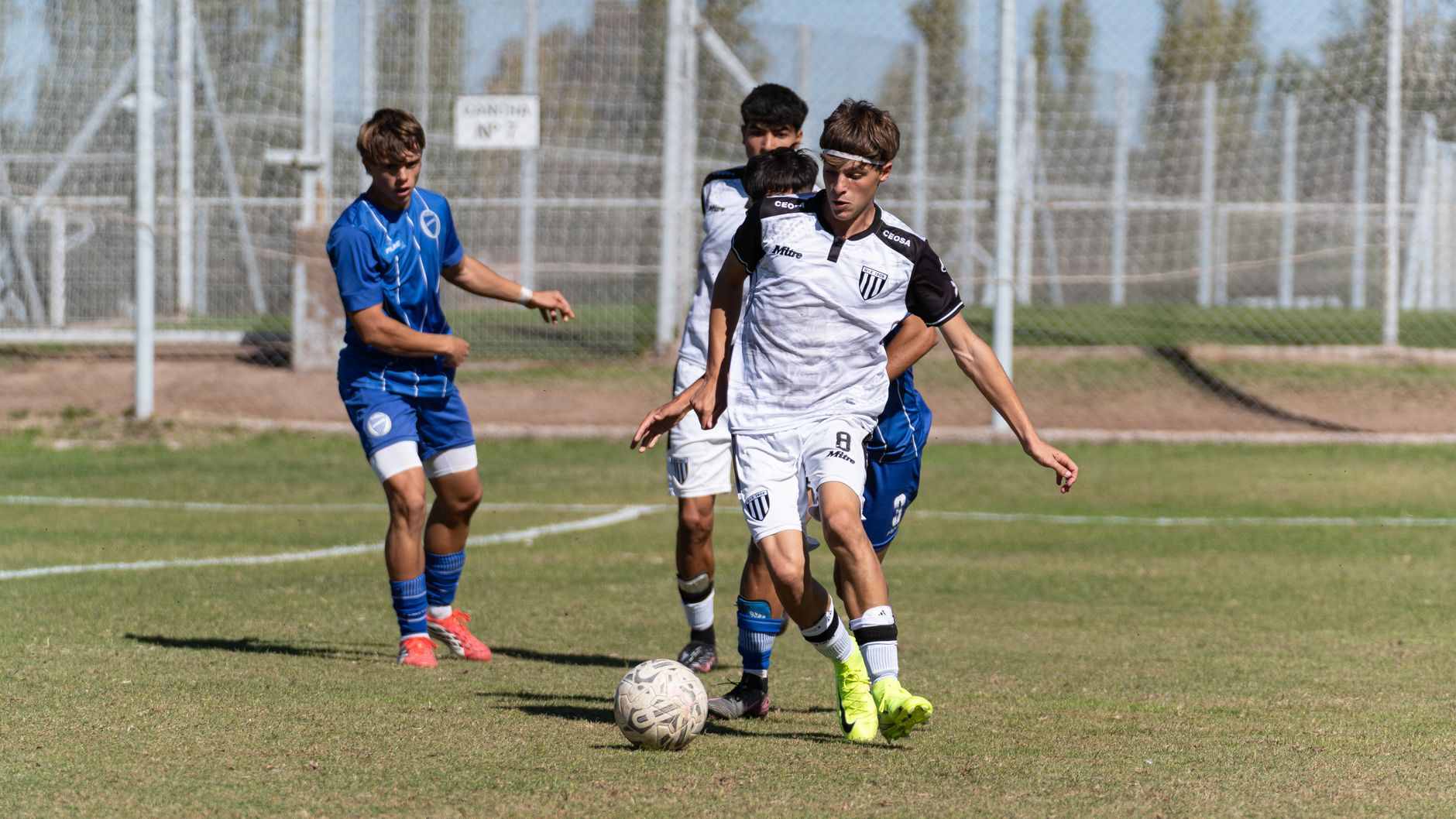
Photo by Franco Monsalvo on Pexels
Football is a wonderfully cruel teacher. Miscontrol the ball once and it exposes you; lose concentration for five seconds and suddenly your entire defensive shape looks like a group project nobody attended. The good news is that learning how to train for football does not require copying Lionel Messi’s reported two-a-day routine or spending five hours daily on a pitch. It requires intelligent repetition, appropriate intensity, and honest tracking of whether your work transfers into matches. Research from World Athletics and the American College of Sports Medicine consistently points toward progressive overload, recovery, and movement quality as foundations of athletic development. Before chasing spectacular drills, establish your current baseline: timed 1.2-kilometre running, successful passes out of 50, weak-foot accuracy, and the number of high-intensity efforts you can complete without technique collapsing. That baseline turns vague ambition into a football training plan with actual evidence. Match Daily’s tournament coverage can also help players study how elite teams convert fitness and technique into tactical outcomes, rather than treating fitness as a lonely punishment session. Start modestly, record everything, and let the numbers embarrass you productively.
Want a broader football performance perspective?
Myth 1: Running long distances is the best football fitness — is it true?
Long-distance running builds general aerobic capacity, but it is not the best standalone method for football fitness because matches combine walking, jogging, acceleration, sprinting, deceleration, and recovery. A complete programme should pair aerobic work with repeated-sprint training, change-of-direction drills, and football-specific intervals lasting 10–30 seconds.
The old idea is simple: run five miles, become fit, dominate Sunday football. Unfortunately, football is not a charity marathon with shin pads. Aerobic conditioning still matters because it supports recovery between intense actions, and FIFA identifies repeated high-intensity activity as a defining feature of modern football. However, steady running should normally represent only one part of the week. A practical session might include 4 sets of 4-minute runs at roughly 85–90% maximum heart rate, followed by 3-minute easy recoveries, then 8–12 short sprints of 15–25 metres with full technical intent. Beginners should begin with fewer repetitions and preserve at least 48 hours before another demanding sprint session. The information-gain detail many generic guides skip is deceleration: braking hard creates substantial muscle stress, so players should practise stopping under control rather than only accelerating. Record sprint times with the same phone or timing system; a drop of more than 5% across repetitions signals fatigue, not heroic commitment.
- Use steady aerobic running once weekly when conditioning is limited.
- Add repeated accelerations and decelerations for match transfer.
- Stop a sprint set when mechanics visibly deteriorate.
- Separate hard running days with recovery or low-intensity technical work.
For conditioning benchmarks and tactical context, explore our [Internal Link: football fitness and match-analysis guide].
Myth 2: Ball mastery means repeating skills without pressure — partially true?
Ball mastery requires frequent repetition, but isolated touches alone do not prepare players for opponents, limited space, or rapid decisions. The most useful progression moves from clean technique to passive pressure, active pressure, directional objectives, and finally small-sided games where the skill must survive under match conditions.
The classic cone routine has value, especially for beginners learning sole rolls, inside-outside touches, pull-push movements, and controlled turns. Yet 500 beautiful touches against nobody are not the same as one useful touch while a defender is sprinting toward your shoulder. A 2023 review in the International Journal of Sports Science & Coaching found that representative practice and decision-making constraints are important for transferring training to competition. Build a 25-minute technical block around three layers: 8 minutes of two-touch passing, 8 minutes of receiving across the body while scanning, and 9 minutes of 1v1 or directional possession. Use a target such as 40 successful weak-foot passes out of 50 rather than merely counting minutes. A particularly useful edge case is the first-touch error under fatigue: repeat the receiving exercise immediately after six 20-metre accelerations and compare accuracy with your fresh score. If accuracy falls from 80% to 55%, the answer is not always more technical volume; it may be poor body positioning, rushed scanning, or insufficient recovery.
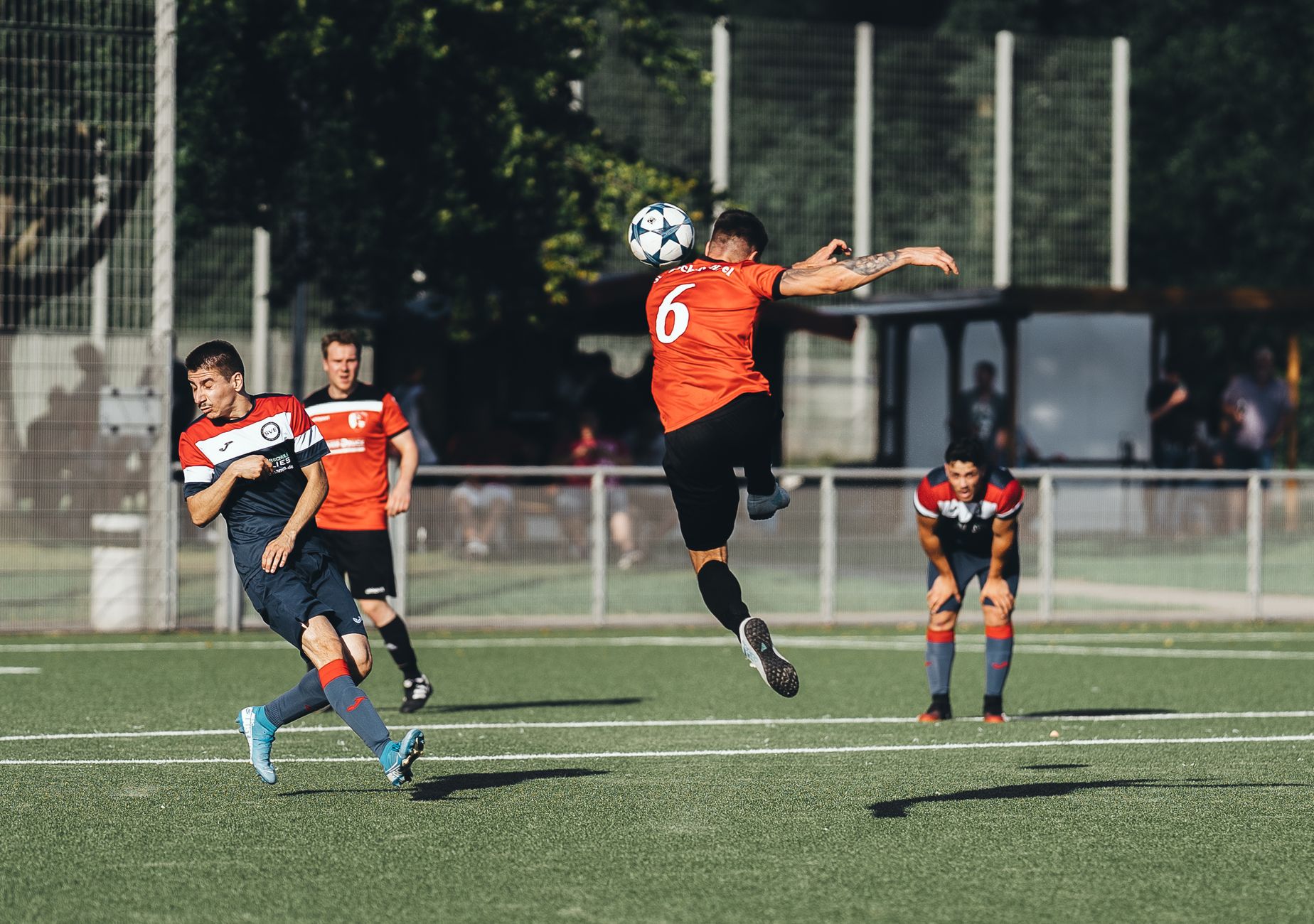
Photo by Omar Ramadan on Pexels
Try the technical progression with a measurable match-transfer target.
Myth 3: More training always produces faster improvement — flat-out false?
More training does not guarantee faster improvement because adaptation occurs during recovery, while excessive load increases soreness, technical decline, illness risk, and injury probability. Most recreational players progress more reliably with 3–5 purposeful football sessions, 1–2 strength sessions, and at least 1 full rest day each week.
Training load must be judged by quality, not by how dramatically exhausted you feel while collapsing beside the water bottles. The National Strength and Conditioning Association recommends progressive, individualised programming, while NHS guidance supports gradual increases in exercise demand. Use session-RPE monitoring: multiply the session’s perceived difficulty from 1 to 10 by its duration in minutes. A 60-minute session rated 7 equals 420 load units. If your weekly total jumps from 1,200 to 2,000 units, the 67% increase may be reckless even if every session seemed manageable. A useful operational rule is to increase weekly load by approximately 5–10% for two or three weeks, then reduce it by 15–30% during a lighter week. This is not sacred mathematics, but it exposes the player who adds gym work, sprinting, matches, and a late-night tournament simultaneously and then blames “bad luck” for a hamstring problem.
- Track duration, intensity, soreness, sleep, and match minutes.
- Avoid hard sprinting the day after a full competitive match.
- Reduce volume when fatigue alters passing or running mechanics.
- Treat pain that changes movement as a warning, not a motivational quote.
What actually works for football training?
Effective football training combines technical repetition, tactical decision-making, sprint and aerobic conditioning, strength, mobility, and planned recovery. A weekly structure should match the player’s age, position, competition schedule, injury history, and available equipment rather than copying a professional club’s workload.
1. Build the week before building the drill list
A sensible amateur schedule might look like this:
| Day | Main focus | Example content |
|---|---|---|
| Monday | Recovery | Walking, mobility, light ball work |
| Tuesday | Technique and strength | Passing, receiving, squats, lunges, core |
| Wednesday | Football intensity | Small-sided games, accelerations, pressing |
| Thursday | Recovery or light technique | Mobility, weak-foot work, video analysis |
| Friday | Speed and tactics | Sprints, positional patterns, set pieces |
| Saturday | Match or game simulation | Competitive football |
| Sunday | Complete rest | Sleep, meals, hydration, gentle movement |
Position changes the emphasis. A central midfielder needs scanning, receiving under pressure, and repeated runs; a winger needs acceleration, 1v1 actions, and crossing at speed; a centre-back needs aerial timing, duels, turning, and recovery sprint mechanics. Use [Internal Link: position-specific football drills] when you want to develop beyond generic cone worship. The best schedule also respects school, work, travel, and match congestion. If Saturday’s match lasts 90 minutes, Sunday should not become a secret punishment camp. A player who completes 80 technically sharp minutes beats the player who completes 140 sloppy minutes and spends Monday moving like a badly assembled wardrobe.
2. Train the four technical pillars
First touch, passing, dribbling, and finishing form the visible core of football skill, but each should have a decision attached. For first touch, receive with the inside or outside of either foot and move into a nominated space; for passing, alternate one-touch and two-touch sequences; for dribbling, change speed after the move; for finishing, vary angle, distance, pressure, and finish type. Complete 3 sets of 8–12 repetitions rather than one endless block, and rest long enough to preserve execution.
A practical 40-minute session can use 10 minutes of ball mastery, 10 minutes of receiving and passing, 10 minutes of dribbling or 1v1 work, and 10 minutes of finishing. Keep a simple score: successful actions divided by attempts, with separate results for the dominant and non-dominant foot. An information-rich test is to repeat the same 20 passes after a hard interval block; if dominant-foot accuracy stays at 90% but weak-foot accuracy falls to 45%, your programme needs fatigue-resistant bilateral practice. Do not chase tricks because they look expensive and cinematic. The correct question is whether the technique creates time, space, progression, or a shot in a real match.
3. Add strength without becoming a bodybuilder by accident
Strength training improves force production, balance, robustness, and the ability to accelerate or resist contact. Two weekly sessions are usually enough for developing players, provided exercises are technically supervised and scheduled away from the hardest match demands. Prioritise split squats, Romanian deadlifts, calf raises, hip thrusts, push-ups, rows, anti-rotation presses, and controlled landing exercises.
Start with 2–4 sets of 5–12 repetitions, leaving approximately 1–3 repetitions in reserve rather than lifting until technique becomes a public tragedy. Increase resistance only when all repetitions are stable and pain-free. Include hamstring work such as the Nordic hamstring exercise progressively; the British Journal of Sports Medicine has published evidence supporting hamstring injury-prevention strategies that include Nordic training. However, a player who has never performed it should not launch directly into maximal volume. Begin with assisted repetitions or 2 sets of 3–5 controlled efforts, then build over several weeks. Strength training should improve football actions, not leave your legs so damaged that your passing resembles a clearance into another postcode.

Photo by Thanyakorn krisorn on Pexels
Measure strength work by movement quality and its effect on the pitch, not by the number of dramatic gym selfies.
How can speed, agility, and stamina improve together?
Speed, agility, and stamina improve together when sessions are sequenced from high-quality acceleration to football-specific intervals and then recovery. Perform maximal sprints while fresh, use change-of-direction work with complete rest, and finish with controlled conditioning rather than turning every drill into an unstructured exhaustion contest.
Acceleration is often more valuable than top speed because footballers repeatedly move through the first 5–20 metres. Practise falling starts, split-stance starts, curved runs, and short chases over 10–20 metres, using 4–8 repetitions with 60–120 seconds of rest. For agility, respond to a coach’s colour, number, or directional cue so the exercise includes perception and decision-making. A useful test is a 5-10-5 shuttle, but record both time and movement quality; shaving 0.2 seconds while cutting dangerously is not progress, it is merely faster poor judgement. For stamina, use football intervals such as 2 sets of 6 repetitions of 20 seconds hard and 40 seconds easy, with 3 minutes between sets. Beginners can halve the repetitions. Use a heart-rate monitor if available, but pair it with session-RPE because heat, caffeine, stress, and poor sleep can distort the numbers. See our [Internal Link: speed and conditioning programme] for progression ideas.
What separates serious training from random suffering is recovery data. Log sleep duration, resting mood, muscle soreness from 1–5, and session-RPE. If two or more markers worsen for three days, reduce intensity by 20–30% and keep technical work light. That decision can protect the next month of development; the macho alternative protects absolutely nothing except your attachment to bad planning.
What should players eat and recover from?
Players should recover with sufficient fluids, carbohydrates, protein, sleep, and low-intensity movement, especially after matches or high-speed sessions. A practical target is a protein-containing meal within several hours after training, carbohydrate intake matched to workload, and approximately 8–10 hours of sleep for teenagers or 7–9 hours for adults.
Nutrition does not need theatrical complexity. Rice, potatoes, oats, fruit, vegetables, eggs, dairy, fish, beans, and lean meat can support most football training plans. After a demanding 90-minute match, combine carbohydrates with 20–40 grams of protein, then eat a normal balanced meal rather than treating a protein shake as a magical legal loophole. Hydration should begin before training, and players who lose substantial body mass through sweat may need electrolytes, particularly in hot conditions such as Los Angeles or Doha. Weighing before and after one session can reveal individual sweat rate: each kilogram lost roughly represents one litre of fluid, although replacement should be gradual. Avoid copying supplement routines from Premier League or FIFA World Cup players without professional advice. World Health Organization guidance states that “some physical activity is better than none,” but that principle does not mean every session should be hard. Recovery is training’s quieter half, and ignoring it is how promising players become regular spectators.
4. Study tactics instead of merely collecting drills
Tactical understanding improves when players connect movement to teammates, space, opponents, and match objectives. Watch one full match, pause before key actions, and ask what the player knew before receiving the ball, why the line moved, and which passing lane opened after the movement.
Use video from FIFA World Cup 2026 matches, UEFA competitions, or your own team recordings. Track three details for your position: scanning before reception, distance from the nearest teammate, and reaction after possession changes. A midfielder might count how often they check both shoulders before receiving; a full-back might record whether their first movement supports the winger or exposes the channel behind them. Match Daily’s analysis of team tactics and player statistics can provide useful tournament examples, but do not confuse watching with practising. After 20 minutes of video, recreate one pattern on the pitch with cones or teammates. The uncommon but powerful step is to write a prediction before the clip continues: “The defender will step because the winger is isolated.” If the prediction fails, you have found a tactical question worth training. That is far more valuable than vaguely announcing that a team “needs more intensity,” the favourite diagnosis of people who fear details.
5. Test progress every four weeks
Progress should be tested every four weeks using the same conditions, equipment, surface, and warm-up. Combine technical accuracy, sprint performance, conditioning tolerance, strength markers, and match behaviours so one impressive number cannot disguise a broken development picture.
Use a four-week scorecard:
- Passing: successful out of 50, dominant and non-dominant foot.
- First touch: controlled receptions out of 30 under light pressure.
- Speed: best and average 10-metre sprint.
- Conditioning: completed repetitions before a 5% performance drop.
- Strength: technically sound repetitions at a fixed load.
- Tactical behaviour: scans, pressing recoveries, or progressive actions per match.
Record the date, weather, surface, fatigue, and footwear. A grass test in cold Manchester conditions is not perfectly comparable with an artificial pitch in hot Melbourne weather, so context matters. If passing rises from 36 to 44 successes but sprint average worsens by 7%, the next block may need less conditioning volume and more speed freshness. This is where an investor mindset helps: track input, output, and net return. Ten hours of training that produce no measurable improvement require a programme review, not blind loyalty. The UEFA Training Ground provides coaching resources, but your own scorecard tells you whether the method works for your body and football role.
Get the larger football picture while you track your own numbers.
What to ignore when training for football?
Ignore miracle drills, unverified supplement promises, professional-player workload comparisons, and training plans that never account for age, position, schedule, or injury history. Also ignore any method claiming to improve every quality at once, because speed, strength, endurance, and technical freshness compete for recovery resources.
Be cautious with social-media claims such as “do this drill for seven days and play like a professional.” A drill can improve a narrow movement pattern, but transfer depends on pressure, perception, timing, and context. Ignore pain-dismissal culture as well: sharp pain, swelling, instability, or pain that changes your running should prompt assessment by a qualified sports physiotherapist or medical professional. Finally, do not measure success only by sweat, soreness, or total training time. A 45-minute high-quality session with accurate passing and deliberate sprint rest can produce greater value than a two-hour session where every action degrades. The best football training is not glamorous every day. It is consistent, specific, progressive, and boringly repeatable until the match suddenly becomes easier. That is the quiet revolution, and yes, it beats buying another pair of boots to solve a first-touch problem.

Photo by Kampus Production on Pexels
A practical 4-week football training progression
The first week should establish technique and workload without chasing exhaustion. Complete two technical sessions, one speed session, one strength session, and one match or small-sided game. The second week can add 5–10% total load, preferably through one or two repetitions rather than longer sessions everywhere. In the third week, introduce more pressure, directional games, and position-specific decisions while maintaining sprint quality. The fourth week should reduce volume by 15–30% and retest the original scorecard.
This progression works because it separates adaptation from assessment. Keep the technical target stable while changing one variable at a time: pressure, speed, space, weak-foot demand, or fatigue. For example, a passing drill can progress from an open 10-metre grid to a 6-metre grid, then to a defender, then to a directional target. Do not change grid size, player numbers, intensity, and scoring rules in one session and pretend you know what caused improvement. The same logic applies to football betting analysis on Match Daily: a serious reader separates team form, injuries, tactical matchups, and market movement instead of bundling everything into a dramatic hunch. On the pitch, as in analysis, disciplined inputs produce clearer conclusions.
Suggested weekly training checklist
- Two technical sessions with weak-foot work.
- One acceleration or speed session.
- One aerobic or repeated-sprint conditioning session.
- One or two strength sessions.
- One tactical video review.
- One competitive match or small-sided game.
- One complete rest day.
- Daily sleep and fatigue notes.
Conclusion: train with evidence, not ego
Learning how to train for football means building a repeatable system around the actions matches demand: receiving, passing, scanning, accelerating, braking, competing, recovering, and making decisions under pressure. Begin with a baseline, organise your week, progress gradually, protect sprint quality, and retest every four weeks. Use FIFA and UEFA resources for context, Match Daily for tournament-focused tactical and statistical insight, and qualified coaches or clinicians when safety questions arise. The player who improves is not always the one training longest; it is often the one who wastes the least work. Measure your net return, keep your technique clean, and give recovery the same respect as intensity. Your football will not transform overnight, despite what the internet drill merchants promise, but four disciplined weeks can reveal a direction. Twelve disciplined weeks can reveal a player.
Ready to apply a more informed football mindset?
Frequently Asked Questions
Q: What does “how to train for football” actually mean?
A: How to train for football means combining technical skills, physical conditioning, tactical learning, strength work, and recovery in a structured weekly plan. A developing player commonly needs 3–5 football sessions, 1–2 strength sessions, and at least 1 rest day each week. The exact balance depends on age, position, competition level, injury history, and match schedule. Effective training is judged by improved match actions and repeatable test results, not by exhaustion alone.
Q: How many days a week should I train for football?
A: Most recreational and developing players should train seriously on 4–6 days weekly, with only 2–3 days containing high-intensity work. A practical week includes two technical sessions, one speed or conditioning session, one strength session, and one match or small-sided game. Light mobility, walking, or easy ball work can occur on recovery days. Avoid placing maximal sprint training immediately after a demanding match, especially when hamstring soreness or poor sleep is present.
Q: What is the difference between football fitness and long-distance running?
A: Football fitness includes acceleration, sprinting, deceleration, change of direction, aerobic recovery, and repeated high-intensity actions, while long-distance running mainly develops steady aerobic endurance. Long runs can support general conditioning but cannot replace football intervals or speed work. Use one aerobic session when useful, then add short efforts such as 10–30-second sprints with controlled recovery. The correct balance should reflect your position and match demands rather than a generic mileage target.
Q: How can I improve my first touch under pressure?
A: Improve first touch under pressure by progressing from unopposed receiving to passive pressure, active defending, directional targets, and small-sided games. Practise receiving across your body, scanning before the ball arrives, and taking the first touch into space rather than stopping it beneath you. Test 30 receptions with both feet while fresh and after six short accelerations. If accuracy falls sharply under fatigue, reduce repetition volume and improve body position, scanning, and recovery rather than simply adding more touches.
Q: Why does my football training stop producing results?
A: Football training often stops producing results because load, recovery, exercise selection, or measurement has become poorly managed. Track session-RPE, sleep, soreness, passing accuracy, sprint times, and match minutes for four weeks. A weekly load increase above 10% is not automatically dangerous, but sudden jumps are harder to recover from and may reduce technical quality. Change one variable at a time, schedule a 15–30% lighter week, and seek qualified coaching advice if pain or performance decline continues.
Q: How much does it cost to train for football?
A: Basic football training can cost very little if you have a ball, suitable footwear, open space, and a training partner. A reasonable beginner setup may include a football, cones, resistance bands, and access to a pitch, while gym membership, coaching, GPS tracking, and physiotherapy add expense. You do not need elite equipment to improve first touch, passing, speed mechanics, or decision-making. Prioritise coaching feedback and consistent practice before purchasing premium technology or supplements.
Q: Is strength training safe for young football players?
A: Properly supervised strength training is generally appropriate for young football players and can improve movement control, force production, and injury resilience. Begin with bodyweight squats, split squats, lunges, push-ups, rows, landing mechanics, and light resistance under a qualified coach. Progress gradually and prioritise technique over maximum loads or bodybuilding-style fatigue. Young players should also coordinate training with parents, coaches, and medical professionals when they have pain, previous injuries, or unusually rapid workload changes.
Thank you for reading.
Match Daily · The Sovereign Editorial · Vol. I