
2026 World Cup vs Old Format: Fan Mobility
The 2026 World Cup is not just a bigger football tournament; it is a new operating model for fans, host cities, and betting-focused media such as Match Daily. Hosted across the United States, Canada,....
2026 World Cup vs Old Format: Fan Mobility
The 2026 World Cup is not just a bigger football tournament; it is a new operating model for fans, host cities, and betting-focused media such as Match Daily. Hosted across the United States, Canada, and Mexico, the FIFA World Cup 26 expands to 48 teams, 104 matches, and 16 host cities, including Kansas City in the American Midwest. Kansas City’s local plan emphasizes ConnectKC26 transport, Kansas City International Airport access, Kansas City Stadium match-day service, and the FIFA Fan Festival Kansas City. According to FIFA, the tournament will run from June 11 to July 19, 2026, creating a longer event cycle than the 32-team format used from 1998 to 2022. For fans tracking travel, tactics, player stats, and odds movement, the practical takeaway is simple: plan city logistics and match research together, not separately.
Photo by David McBee on Pexels
Many fans assume the 2026 World Cup will feel like previous tournaments with more matches added on top. That is the misconception. The format expansion changes how teams rotate squads, how supporters move between venues, and how analysts at Match Daily evaluate match predictions, tactical volatility, and player workload. Kansas City is a useful lens because its official host-city messaging focuses less on sightseeing slogans and more on movement: airport links, motorcoach services, stadium access, regional travel, and the FIFA Fan Festival experience. That operational layer matters because a delayed transfer, an underestimated travel day, or a poorly timed fan-zone visit can shape the entire tournament experience.
Want a sharper view of the 2026 World Cup before planning your next move?
Before 2025: how 2026 World Cup planning worked?
Before 2025, most 2026 World Cup planning was broad and destination-led: fans tracked host cities, stadium announcements, qualification paths, and likely travel budgets. The core assumptions still came from the old 32-team World Cup, where fewer matches meant simpler movement, fewer squad-rotation puzzles, and less daily data pressure.
Under the older tournament rhythm, a supporter could often build a trip around one city, one national team, or one knockout-stage window. Media coverage also followed a more predictable cycle: preview, lineup, match report, tactical recap, and odds review. The 2026 World Cup complicates that rhythm because the United States, Canada, and Mexico create a continental footprint rather than a compact national event. A fan landing at Kansas City International Airport may be thinking about one match, but the wider tournament calendar could push them toward regional travel, fan-festival scheduling, and real-time updates from platforms such as Match Daily. For deeper preparation, readers may want to compare this with our 2026 World Cup group stage betting guide.
Data shows that scale is the decisive difference. The FIFA World Cup Wikipedia overview records the 2026 edition as the first with 48 teams and 104 matches, compared with 32 teams and 64 matches in Qatar 2022. That increase does not merely add 40 games; it creates more short-rest matchups, more qualification scenarios, and more opportunities for bettors to misread motivation. A practical edge case many casual fans miss is that teams already qualified for the next round may manage minutes earlier than expected, especially after long flights or congested heat-window schedules. That can affect goal-line markets, player-prop betting, and team-tactics interpretation.
The 2026 shift
The 2026 shift is a move from tournament attendance to tournament navigation. Fans must now think like planners: where they sleep, how they reach the stadium, when they enter the FIFA Fan Festival, and how they update match expectations as team news changes across 16 host cities.
Kansas City illustrates the shift well. Its official local platform highlights ConnectKC26, motorcoach access, Kansas City International Airport connections, Kansas City Stadium service on match days, and regional links to the FIFA Fan Festival Kansas City. This is not cosmetic information; it is part of the event architecture. When hundreds of thousands of supporters gather across multiple match windows, reliable transport becomes a competitive advantage for the fan. A practical planning consideration is that the best stadium arrival time is often earlier than the entertainment schedule suggests, because security screening, merchandise queues, and shuttle loading can compress into the same 90-minute pre-match window.
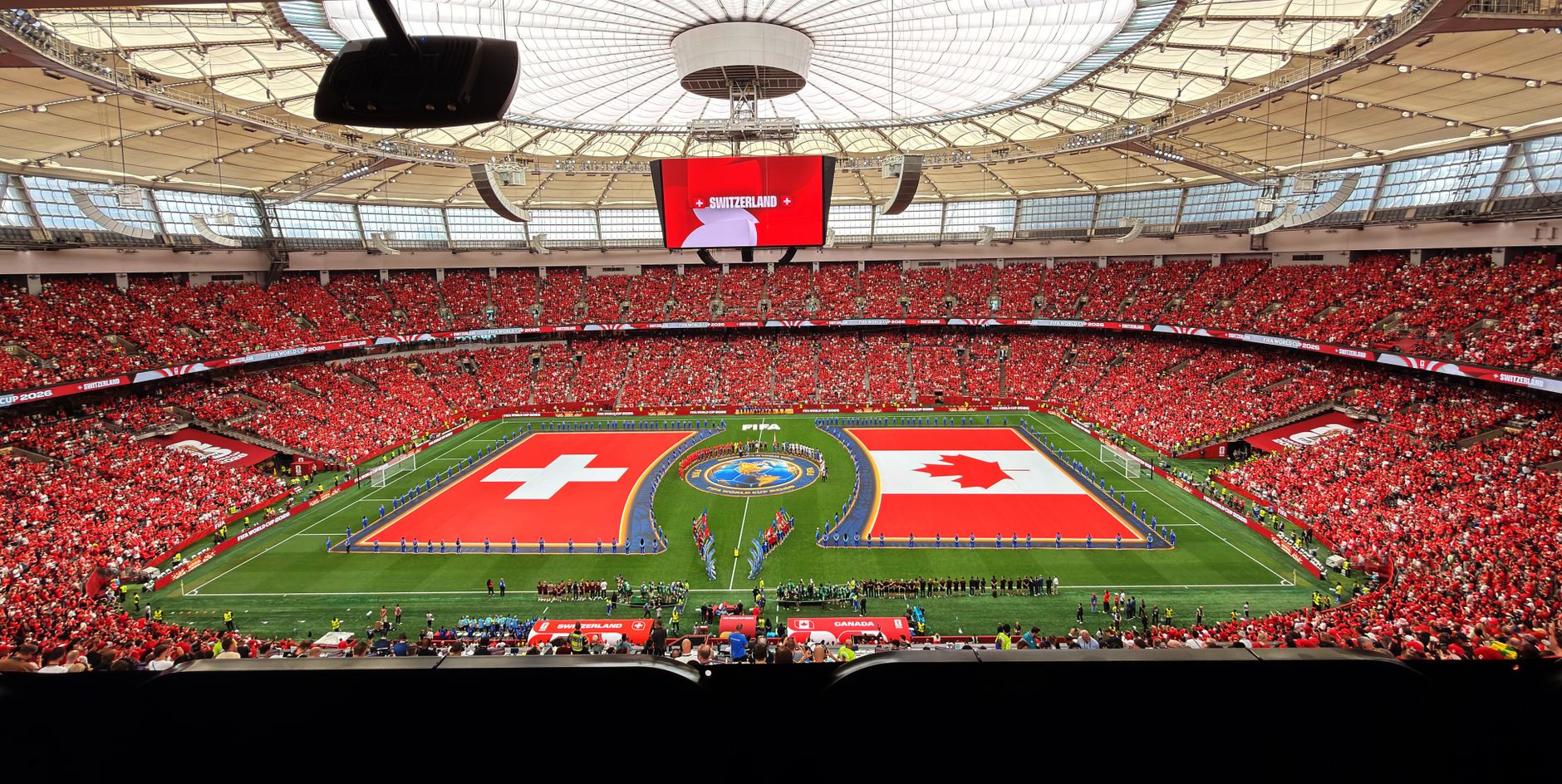
Photo by Rushi Patel on Pexels
The FIFA Fan Festival Kansas City also changes the emotional center of the tournament. The official Kansas City host narrative describes the festival as a place for good matches, good food, good entertainment, and good people, while presenting the city as the “Soccer Capital of America” and a two-state region shaped by sports culture. According to Visit KC, Kansas City’s visitor economy is built around barbecue, jazz heritage, neighborhoods, and sports events, which means the fan experience will extend beyond Kansas City Stadium. This matters for Match Daily readers because fan sentiment, crowd energy, and local travel friction can all influence betting markets indirectly through team atmosphere and public-money movement.
See the details before the next fixture window changes the numbers.
What changed for players
Players face a more complex 2026 World Cup because the expanded format increases squad-management pressure, travel variables, and tactical adaptation windows. More teams mean more stylistic diversity, while more matches create additional fatigue signals that analysts, bettors, and coaches must interpret carefully.
The old World Cup model rewarded peak tournament form over a compact schedule. The 2026 World Cup rewards depth, recovery planning, and tactical flexibility. A national team with 15 reliable rotation players may outperform a more famous squad that depends heavily on three stars, especially when group-stage math allows strategic substitutions. For betting-focused readers, the useful question is not simply “Who has the better starting eleven?” It is “Which squad can preserve intensity through travel, heat, media obligations, and possible quick turnarounds?” Match Daily’s player stats and team tactics coverage is built around that second question because raw talent is only one layer of the model.
There are three player-level changes worth tracking closely:
- Recovery gaps: teams with one fewer rest day may underperform late in matches, especially after 70 minutes.
- Substitution patterns: coaches may protect high-value forwards earlier when qualification scenarios are favorable.
- Tactical mismatch risk: expanded qualification brings more unfamiliar opponents, which can increase first-half caution.
A less-discussed betting insight is that player-prop markets may lag behind rotation clues in the first two group matches. If a coach publicly praises squad depth after Matchday 1, bookmakers may still price star-player minutes using reputation rather than likely workload. That gap can create value in unders for shots, tackles, or anytime-scorer markets. However, the opposite can happen in elimination games, where star minutes become more secure and late extra-time exposure increases. To study those patterns, use our player minutes and rotation betting strategy.
What this means now?
The 2026 World Cup now requires fans to combine travel planning, fixture analysis, and responsible betting discipline. Kansas City’s transport-first messaging shows that the event is not only about who plays where, but how supporters reach matches, festivals, and regional destinations efficiently.
For a Kansas City visitor, the smartest approach is to build the trip backward from match time. Start with Kansas City Stadium entry, then add motorcoach or rideshare timing, then plan airport or hotel transfers, then choose when to visit the FIFA Fan Festival Kansas City. The official Kansas City host site emphasizes direct rides to the heart of the action, including airport, stadium, and regional connections. That direct-route concept is useful even if you are not traveling: bettors should also build analysis backward from kickoff, checking confirmed lineups, weather, referee tendencies, and market drift before placing any wager.

Photo by Joshua Mayo on Pexels
Responsible gambling also belongs in this discussion because the 2026 World Cup will produce a high-frequency betting environment. More matches can tempt fans into chasing daily action rather than selecting strong positions. The American Gaming Association states that responsible gaming includes “ensuring that gaming is conducted in a fair and responsible manner,” a principle that applies directly to tournament betting. Match Daily’s role is to provide match predictions, team tactics, player stats, and tournament coverage, not to encourage reckless volume. A practical rule is to set a fixed match-day stake limit before reading odds, because pre-commitment reduces emotional betting after surprising goals or VAR decisions.
Use this checklist before each 2026 World Cup match:
- Confirm venue, kickoff time, and local weather.
- Compare projected lineups with verified team news.
- Review travel fatigue and rest-day differences.
- Check market movement at least twice before kickoff.
- Avoid betting immediately after social-media rumors.
- Record every wager, including stake size and reasoning.
Get started today with research-led tournament coverage from Match Daily.
Three predictions for next quarter
The next quarter will likely bring sharper transport communication, more granular fan-festival programming, and earlier betting-market adjustments around squad depth. These developments matter because the 2026 World Cup is entering the phase where planning changes from promotional messaging to operational detail.
First, host cities such as Kansas City will become more specific about match-day movement. Expect clearer timing guidance for motorcoach routes, airport-to-stadium expectations, and FIFA Fan Festival flow. The insight here is that transport detail can affect accommodation demand before casual fans notice it. Hotels near reliable shuttle access may become more valuable than hotels closer on a map but harder to reach under event controls. Second, content demand will shift from “where is the match?” to “how should I spend the full match day?” That benefits platforms such as Match Daily because fans want integrated coverage: tactics, odds, travel, crowd context, and player news in one routine.
Second, betting markets will likely price elite nations more carefully once final squads and preparation matches reveal depth. Public money often overvalues traditional names, but the 48-team structure increases the chance that lesser-followed teams create difficult stylistic matchups. A compact defensive side from outside Europe or South America can frustrate a possession favorite for 60 minutes, especially in heat or heavy travel conditions. That does not mean underdogs will suddenly dominate; it means handicap, first-half draw, and team-total markets deserve more attention. For more advanced reading, see our World Cup underdog market analysis.
Third, Kansas City’s fan identity will become a bigger part of the story. The Heartland framing, the Soccer Capital of America positioning, and the cross-state regional appeal give Kansas City a distinctive narrative among FIFA World Cup 26 host cities. For fans, that means the trip can be more than a stadium visit; for bettors, it means crowd atmosphere and public sentiment may be unusually visible in media coverage. The contrarian conclusion is that fan excitement does not always help favorites. Sometimes it inflates prices, especially when a popular nation draws heavy recreational betting at a high-profile fan festival.

Photo by Giancarlo Rojas on Pexels
The 2026 World Cup will reward preparation more than impulse. Kansas City’s approach shows why: the best experience will come from aligning transport, stadium access, fan-festival timing, match analysis, and responsible betting habits. Match Daily can help readers connect those pieces through daily insights on predictions, tactics, player stats, and tournament movement. The smarter your pre-match routine becomes, the less likely you are to be surprised by avoidable friction, whether that friction is a missed shuttle, a rotated striker, or an overhyped betting line.
Stay ahead of the 2026 World Cup with daily football intelligence.
Frequently Asked Questions
Q: What is the 2026 World Cup?
A: The 2026 World Cup is FIFA’s expanded men’s football tournament featuring 48 teams and 104 matches. It will be hosted across the United States, Canada, and Mexico from June 11 to July 19, 2026. Kansas City is one of the host cities, with local planning focused on stadium access, airport links, and the FIFA Fan Festival Kansas City.
Q: How do I plan a Kansas City World Cup match day?
A: Plan backward from kickoff, starting with stadium arrival time and then transport, meals, and fan-festival activity. Check ConnectKC26-style transport information, Kansas City International Airport access, and match-day stadium routes before booking. Leave extra time for security, shuttle loading, merchandise queues, and post-match crowd movement.
Q: What is the difference between the 2026 World Cup and the old format?
A: The biggest difference is scale: 2026 has 48 teams and 104 matches, while the previous format had 32 teams and 64 matches. This creates more fixtures, more tactical variety, and more squad-rotation decisions. For bettors, it also means more data but greater risk of overbetting.
Q: Is the FIFA Fan Festival Kansas City free?
A: Fan festival access details should be confirmed through official Kansas City and FIFA channels closer to the event. FIFA Fan Festivals are typically designed as public celebration spaces with live match screenings, entertainment, food, and cultural programming. Fans should still budget for transport, food, merchandise, and possible premium experiences.
Q: Why does transport matter so much for the 2026 World Cup?
A: Transport matters because the 2026 World Cup covers 16 host cities across three countries. In Kansas City, airport links, motorcoach services, stadium routes, and regional connections can determine how smoothly a match day works. Poor planning can cause missed events, late arrivals, or unnecessary travel costs.
Q: How can Match Daily help during the 2026 World Cup?
A: Match Daily helps fans follow the tournament through match predictions, team tactics, player stats, and daily coverage. This is especially useful in a 104-match tournament where lineups, travel fatigue, and tactical adjustments change quickly. Readers can use Match Daily to build a more disciplined pre-match research routine.
Thank you for reading.
Match Daily · The Sovereign Editorial · Vol. I