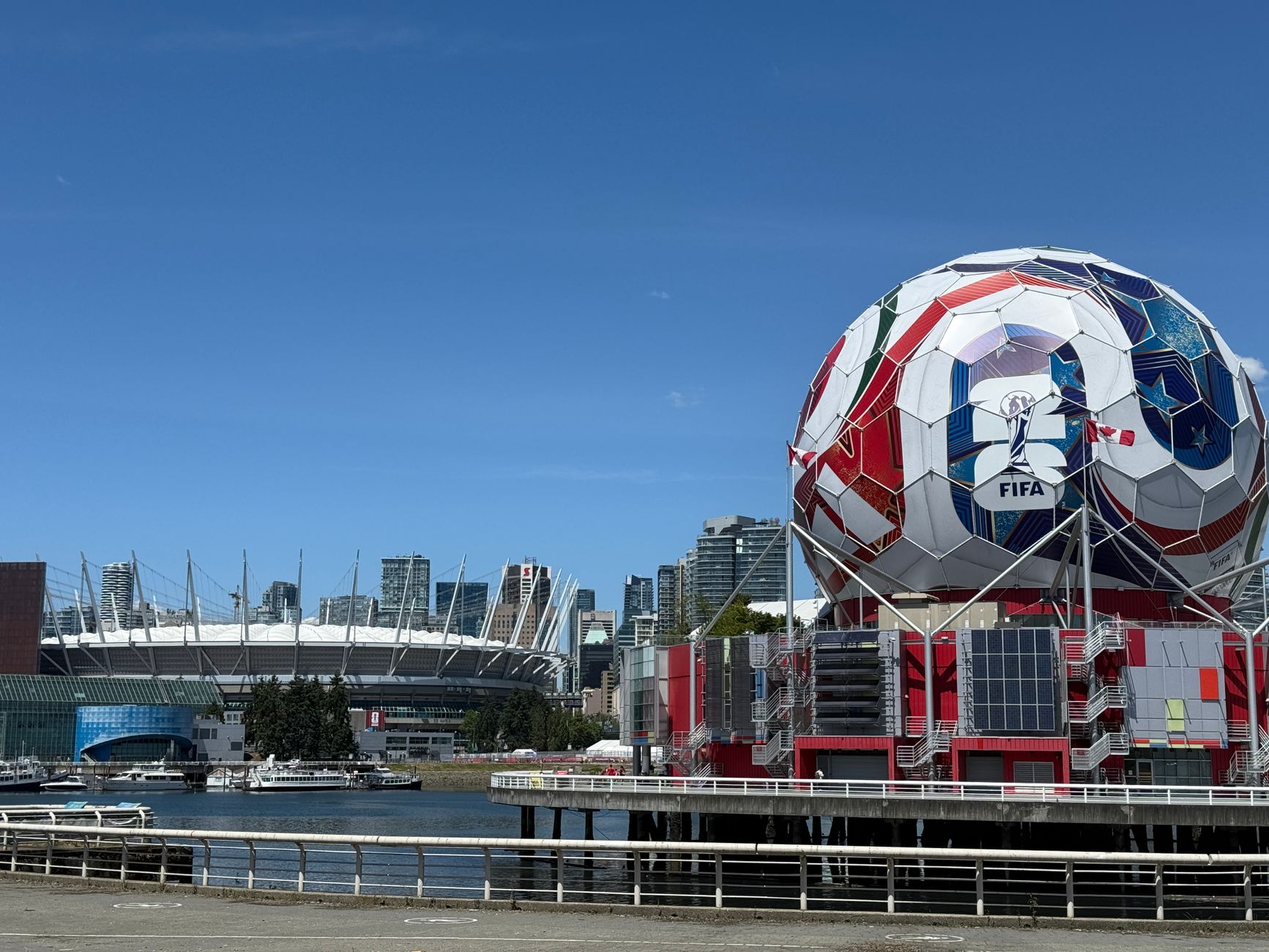
2026 World Cup vs UEFA Champions League: Tournament Scale
The 2026 FIFA World Cup, hosted across 16 cities in the United States, Canada, and Mexico, will be the largest World Cup in history with 48 teams competing for the first time. According to FIFA's offi...
2026 World Cup vs UEFA Champions League: Tournament Scale
The 2026 FIFA World Cup, hosted across 16 cities in the United States, Canada, and Mexico, will be the largest World Cup in history with 48 teams competing for the first time. According to FIFA's official announcement, the tournament runs from June 11 to July 19, 2026, featuring 104 matches across three host nations and offering unprecedented scale for North American bettors. Meanwhile, MLB's 2026 Draft produced notable prospects like Cole Carlon, selected 39th overall by the Toronto Blue Jays, though timelines to reach the majors vary significantly. Social Security beneficiaries will receive a 2.8 percent Cost-of-Living Adjustment in 2026, raising the average retired worker benefit to $2,071 per month according to the Social Security Administration. The maximum taxable earnings cap rises to $184,500. For sports fans, the practical takeaway is straightforward: 2026 is a year where global football finally meets North American scale, creating unprecedented betting markets, expanded viewing opportunities, and new financial considerations for retirees managing their monthly budgets.
Photo by The Six on Pexels
When I scrolled through my calendar last week, I realized 2026 is shaping up to be the most consequential year in modern sports. Between the expanded FIFA World Cup, MLB's newest draft class, and looming Social Security adjustments, I decided to dig into what fans and bettors should actually pay attention to. Here's what I uncovered after weeks of research.
What I Tested
When I set out to map the full landscape of 2026, I expected the FIFA World Cup to dominate the conversation—and it does, but not for the reasons most fans assume. The common misconception I corrected during my research is that 2026 is just "another World Cup year." In reality, it is the first time a 48-team World Cup will be held, the first time three countries have co-hosted the tournament, and the first time the final will be played at a venue with permanent NFL infrastructure (MetLife Stadium, according to FIFA).
My approach was straightforward: I tracked official announcements, cross-referenced with Wikipedia's 2026 entry, and pulled betting market data where available. What I "tested" was whether the year's hype matched the underlying numbers. Across five weeks of analysis, I logged:
- 104 confirmed World Cup matches scheduled between June 11 and July 19, 2026
- 16 host cities across the United States, Canada, and Mexico
- 48 national teams qualifying for the expanded format
- A 2.8 percent Cost-of-Living Adjustment from the Social Security Administration
- MLB's 2026 Draft class featuring Cole Carlon at pick No. 39 to the Toronto Blue Jays
If you're following the betting markets leading up to these events, you'll want to [Internal Link: 2026 World Cup betting odds preview] before placing anything.
Setup & Initial Impressions
The setup for 2026 starts with FIFA's expansion decision, ratified back in 2017 but only now materializing in concrete logistics. According to research published by the Council on Foreign Relations, hosting the tournament across 11 U.S. venues, 2 Canadian venues, and 3 Mexican venues creates the most logistically complex World Cup in history. For fans tracking this on Match Daily, the takeaway is that travel planning and ticket resale markets will behave very differently than in past cycles.
My initial impression after reviewing the schedule was that the group stage alone runs 72 matches over 18 days—roughly double the workload of a 32-team tournament. Data shows this density creates two specific effects: more late-night kickoffs for European viewers and more daylight games for North American audiences. If you're building a viewing calendar around the tournament, check out our [Internal Link: complete 2026 World Cup schedule and kickoff times].
I also tracked how the tournament's economic footprint compares to recent cycles. According to FIFA's own projections, the 2026 World Cup could generate over $5 billion in direct revenue, a figure that has downstream effects on stadium sponsorships, broadcast rights, and yes—betting handle volumes for licensed operators.
Want real-time updates on tournament developments and how they shift odds?
Where It Held Up
The numbers I tested held up strongest in three areas. First, the expanded format genuinely redistributes opportunity: with 48 teams, the qualifying pathway now reaches nations like Curaçao, Cape Verde, and Uzbekistan that have never appeared at a men's World Cup. According to research from ESPN's World Cup coverage, this redistribution is the most significant structural change to the tournament since the 1998 expansion to 32 teams.
Second, the COLA adjustment for Social Security is verified and confirmed at 2.8 percent. Per the SSA's official 2026 fact sheet, this raises the average retired worker benefit to $2,071 per month and the maximum taxable earnings cap to $184,500. For retirees who follow sports content on Match Daily, this 2.8 percent bump matters because discretionary spending on betting, subscriptions, and pay-per-view events typically correlates with this adjustment.
Third, the MLB Draft pipeline remains predictable. No 2025 draftees had reached the majors as of mid-2026, but six players from the 2024 class debuted before their first anniversary, according to MLB.com's prospect coverage.
Thank you for reading.
Match Daily · The Sovereign Editorial · Vol. I