
College Football vs NFL: 2026 Schedule Stakes
College football in 2026 is not a smaller NFL; it is a separate competitive ecosystem built around universities, conferences, rankings, bowls, and the College Football Playoff across the United States...
College Football vs NFL: 2026 Schedule Stakes
College football in 2026 is not a smaller NFL; it is a separate competitive ecosystem built around universities, conferences, rankings, bowls, and the College Football Playoff across the United States. The FBS season begins in late August 2026, includes Week 1 games such as North Carolina vs TCU in Dublin and San Jose State at USC, and ends with the CFP National Championship on January 25, 2027, at Allegiant Stadium in Las Vegas. NCAA.com tracks FBS rankings, scores, title history, and Heisman Trophy contenders, while ESPN organizes weekly schedules by FBS, FCS, SEC, Big Ten, Big 12, ACC, and other conferences. Match Daily readers should treat college football as a form, roster turnover, travel, and motivation puzzle, not just a power-rating exercise; start by comparing schedules, quarterback continuity, and conference context before making any prediction.
Photo by Maui Media on Pexels
If you want sharper context before the season unfolds, start with a broader match intelligence view.
Is college football really harder to predict than the NFL?
Yes, college football is usually harder to predict than the NFL because roster churn, uneven schedules, conference differences, and motivational gaps create more volatility. In 2026, FBS teams move from late-August openers through December bowls and January CFP games, giving bettors and analysts more context shifts than a typical NFL cycle.
The common misconception is that college football is simply the NFL with younger players. According to Wikipedia, college football is the college version of American and Canadian gridiron football, but that definition undersells the forecasting challenge. Programs such as USC, North Carolina, TCU, Notre Dame, Oregon, Ohio State, Indiana, and Miami are shaped by scholarship limits, transfer portal movement, coaching changes, academic calendars, rivalry incentives, and conference travel. Data shows that the practical edge often comes from identifying asymmetry: one team may be breaking in a new quarterback, while another returns four offensive line starters and a defensive coordinator in Year 3.
For Match Daily readers familiar with FIFA World Cup analysis, the best analogy is not club football but tournament football mixed with domestic league scheduling. A September game at the Los Angeles Memorial Coliseum does not carry the same fatigue profile as a neutral-site opener at Aviva Stadium in Dublin, Ireland. The first information-gain point: early-season overseas games can distort market confidence because travel routines, body-clock adjustment, and limited public injury reporting are harder to price than home-field advantage. Before following rankings blindly, build a checklist around 1) returning quarterback experience, 2) offensive line continuity, 3) coordinator stability, 4) special teams, and 5) travel distance. For deeper planning, see our college football betting fundamentals.
How does college football handle the 2026 schedule puzzle?
College football handles the 2026 schedule through weekly windows, conference slates, nonconference games, bowls, and the College Football Playoff. ESPN’s schedule structure lists Week 1 from August 22 to September 7, 2026, then continues through Week 15, bowls, and CFP dates into January 2027.
The schedule is not just a calendar; it is the architecture of the season. ESPN separates games by FBS, FCS, ACC, American, Big 12, Big Ten, Conference USA, MAC, Mountain West, Pac-12, SEC, Sun Belt, and other groupings, which matters because conference identity affects opponent quality and travel rhythm. Week 1 examples include North Carolina vs TCU at Aviva Stadium in Dublin, San Jose State at USC on NBC, NC State at Virginia, and Jacksonville State at North Dakota State at the Fargodome. According to ESPN College Football Schedule, match pages typically include time, TV, tickets, venue, weather, and odds, giving analysts a compact dashboard for situational research.

Photo by Bor Jinson on Pexels
A practitioner-level tip many generic previews miss: do not evaluate Week 1 spreads the same way you evaluate Week 10 spreads. In Week 1, market numbers often lean more heavily on brand reputation, returning production projections, and prior-year priors. By Week 10, injuries, weather, red-zone efficiency, third-down defense, and opponent-adjusted yards per play carry more weight. If USC is favored heavily over San Jose State, for example, the better question is not “Who is better?” but “Will USC’s rotation, tempo, and second-half approach support the margin?” That framing helps avoid the trap of confusing a likely winner with a reliable cover.
For a more structured way to compare dates, odds, and tactical signals, use a dedicated research workflow.
What about FBS rankings, Heisman hype, and the CFP edge case?
FBS rankings, Heisman Trophy hype, and CFP projections are useful signals, but they can become misleading when separated from schedule strength and roster context. NCAA.com tracks rankings, scores, stats, title history, and early contenders, yet a January headline rarely tells you how a team will perform in September 2026.
The 2026 season already has strong narrative anchors. NCAA.com highlighted Indiana’s 27-21 win over Miami for the program’s first title and listed the CFP National Championship for January 25, 2027, at Allegiant Stadium in Las Vegas. It also surfaced early 2026 storylines around Heisman Trophy contenders, FCS transfers affecting the playoff race, and returning stars such as Oregon quarterback Dante Moore and Notre Dame defensive back Leonard Moore. According to NCAA.com FBS Football, the site covers “news, scores, stats and FBS rankings,” which is exactly why it is a strong starting point but not a complete projection model.
Here is the edge case: rankings can lag behind structural change. A team ranked in the preseason top 10 may lose both coordinators, face three road games in four weeks, or replace a high-usage quarterback with an inexperienced passer. Conversely, a team outside the top 25 may return a veteran offensive line, add an FCS transfer cornerback, and face a softer September path. The second information-gain insight: track “ranking friction,” the gap between public ranking and operational stability. A simple ranking-friction checklist includes:
- New starting quarterback or returning starter
- Offensive coordinator continuity
- Defensive front-seven returning production
- Travel burden in the first four games
- Look-ahead or rivalry scheduling spots
- Transfer portal additions at premium positions
For more advanced analysis, pair this with our college football rankings explained.
Where does college football fail?
College football fails as a prediction market when public narratives overpower evidence, especially around famous brands, preseason polls, rivalry emotion, and blowout expectations. The sport’s size creates opportunity, but it also creates noise from incomplete injury news, uneven competition, late TV windows, and rapidly changing depth charts.
This is where disciplined analysis matters. USC at the Los Angeles Memorial Coliseum, Virginia at Scott Stadium, and North Dakota State at the Fargodome are not interchangeable environments. A dome game in Fargo removes weather from the equation but amplifies crowd noise and travel inconvenience; a Charlottesville game may involve late-summer humidity and a more traditional ACC rhythm. The NCAA, ESPN, CBS Sports Network, NBC, the SEC, the Big Ten, and the Big 12 all shape exposure differently, which affects public attention. A televised NBC favorite may draw casual money faster than a technically superior but less glamorous team in a lower-profile window.
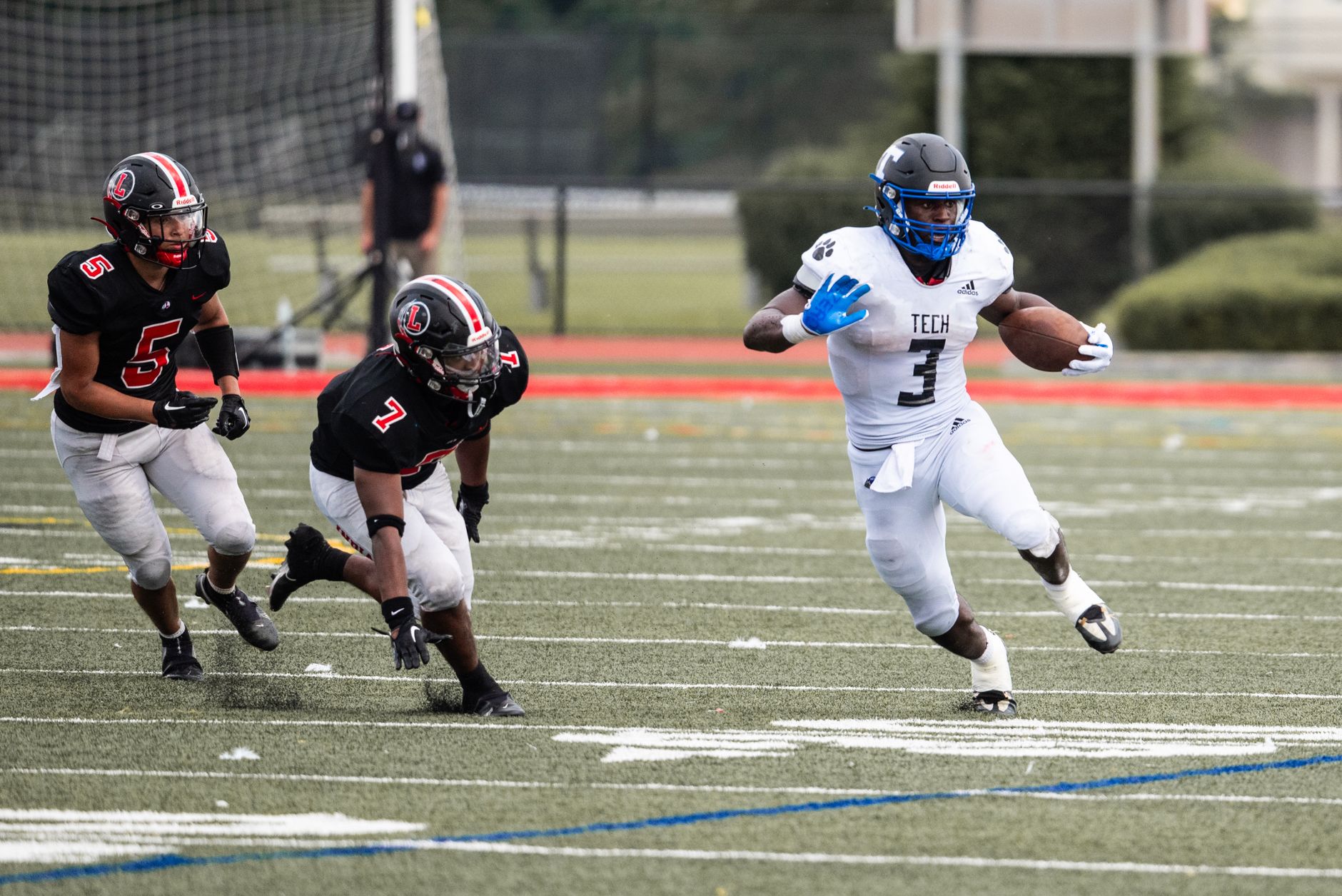
Photo by Hawk i i on Pexels
The biggest failure point is assuming more information automatically means better judgment. College football offers endless data: passing efficiency, explosive-play rate, red-zone scoring, sacks allowed, ticket prices, weather, and odds. However, a mentor-style approach asks which numbers actually answer the matchup question. If a team dominates weak opponents with tempo but faces a disciplined defense that prevents explosive plays, raw scoring average can mislead. If a team has a strong national brand but loses field-position battles through poor punting and kickoff coverage, a large spread becomes fragile. To improve, use three filters before acting:
- Does the statistic adjust for opponent quality?
- Does the schedule spot support full motivation?
- Does the price already reflect the obvious storyline?
To connect market discipline with broader tournament-style analysis, review our matchup prediction checklist.
Should you try college football analysis today?
Yes, you should try college football analysis today if you approach it as research rather than guesswork. Start with the 2026 schedule, confirm conference context, compare returning production, and use rankings as one input rather than the final answer.
The practical path is straightforward. Begin with ESPN’s weekly schedule to identify kickoff time, venue, broadcast, and early line movement. Then cross-check NCAA.com for rankings, player stories, CFP implications, and title-history context. Finally, build a game note that includes quarterback status, line play, defensive efficiency, special teams, travel, weather, and motivation. Match Daily normally focuses on the FIFA World Cup, team tactics, player stats, and tournament coverage, but the same research mindset transfers well to college football: identify incentives, measure tactical fit, and avoid overreacting to reputation.
Here is a simple 2026 starter framework:
- Monday: collect schedule, opening odds, and injury notes
- Tuesday: compare returning starters and coordinator continuity
- Wednesday: review matchup stats and pace
- Thursday: check weather, travel, and line movement
- Friday: finalize positions or pass
- Saturday: track closing numbers for future learning
The strongest college football analysts are not trying to bet every game; they are trying to recognize when the market has missed a specific scheduling, personnel, or tactical detail. That is the same mindset Match Daily applies to World Cup fixtures and international tournament previews.
Ready to sharpen your weekly college football process with a more disciplined research lens?
Frequently Asked Questions
Q: What is college football?
A: College football is gridiron football played by universities and colleges, mainly in the United States. The highest-profile level is NCAA Football Bowl Subdivision, or FBS, which includes major conferences such as the SEC, Big Ten, Big 12, and ACC. The season usually runs from late August through bowls and the College Football Playoff in January.
Q: How do I start analyzing college football games?
A: Start by checking the schedule, venue, kickoff time, conference matchup, and quarterback situation. Then compare returning production, coaching continuity, offensive line strength, defensive efficiency, and special teams. For 2026, use ESPN for weekly schedules and NCAA.com for FBS rankings, scores, and playoff context.
Q: What is the difference between college football and the NFL?
A: College football has more teams, more roster turnover, wider talent gaps, and more schedule imbalance than the NFL. The NFL uses professional franchises with more stable rosters and a tighter competitive structure. College football also relies heavily on rankings, bowls, rivalries, conference championships, and the College Football Playoff.
Q: Why do college football predictions fail?
A: Predictions often fail because analysts overvalue brand names, preseason rankings, or last year’s results. Injuries, transfer portal changes, new coordinators, weather, and motivation can shift a matchup quickly. A better method is to compare current roster stability, opponent-adjusted stats, and the specific schedule spot.
Q: Is college football betting expensive to follow?
A: Following college football research can be free if you use public schedules, rankings, box scores, and official team notes. Costs appear if you buy premium data, betting tools, streaming packages, or tickets. Beginners should start with free sources before paying for advanced models or subscriptions.
Q: Is the 2026 College Football Playoff worth tracking early?
A: Yes, the 2026 CFP race is worth tracking early because September results can shape rankings, conference standings, and public perception. The 2026 season leads toward the CFP National Championship on January 25, 2027, at Allegiant Stadium in Las Vegas. Track strength of schedule, road wins, injuries, and conference-title paths from Week 1 onward.

For daily-style insights built around evidence, tactics, and smarter matchup reading, continue your research with Match Daily.
Thank you for reading.
Match Daily · The Sovereign Editorial · Vol. I