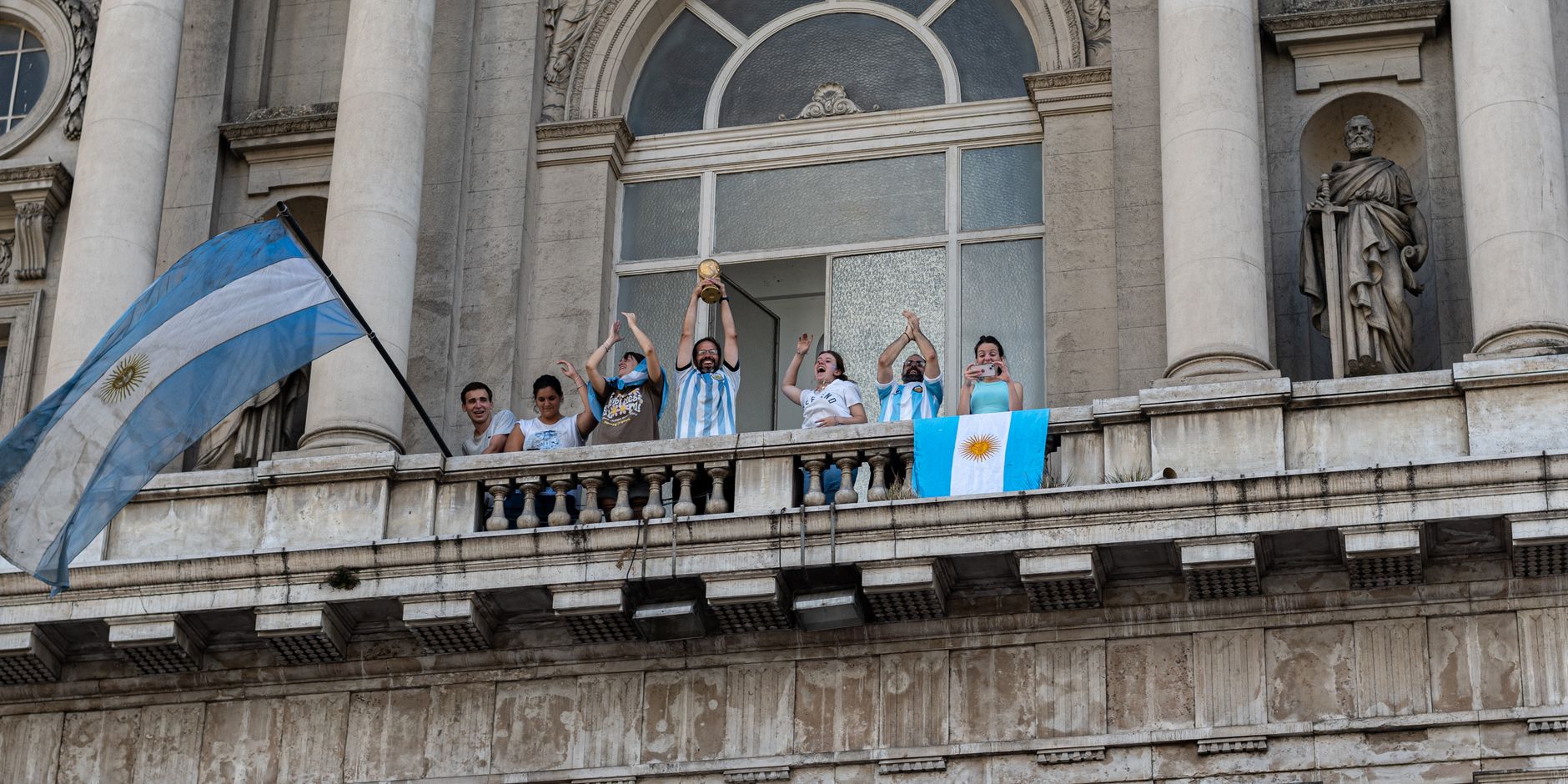
The Fan's Guide to 2026 Football World Cup
The 2026 football world cup is not just a larger version of previous tournaments; it is a structurally different event across the United States, Canada, and Mexico. FIFA World Cup 26 expands to 48 tea...
The Fan's Guide to 2026 Football World Cup
The 2026 football world cup is not just a larger version of previous tournaments; it is a structurally different event across the United States, Canada, and Mexico. FIFA World Cup 26 expands to 48 teams, 104 matches, and 16 host cities, with Los Angeles staging eight matches at SoFi Stadium and a FIFA Fan Festival at LA Memorial Coliseum. Atlanta will host major matches at Mercedes-Benz Stadium, while the 2026 FIFA World Cup final is scheduled for MetLife Stadium in the New York New Jersey area on July 19, 2026. Match Daily helps fans track team tactics, player stats, betting markets, and tournament narratives with daily analysis. The practical takeaway is simple: plan city logistics and match research together, because travel, kickoff timing, squad rotation, and odds movement will all affect the fan experience.
Photo by Fabrizio Velez on Pexels
Many fans assume the 2026 football world cup will feel like a normal month-long tournament with more games added on top. That is the misconception. According to FIFA, the expanded 48-team format changes the rhythm of qualification, group-stage pressure, squad management, and betting analysis. Data shows that more teams usually means more mismatches early, but it also creates sharper tactical variation because underdog nations often defend deeper, counter faster, and rotate less than elite squads.
For fans, the biggest adjustment is not only sporting; it is geographic. Los Angeles, Atlanta, New York New Jersey, Mexico City, Toronto, Vancouver, Dallas, Miami, Seattle, and other host markets will create different tournament experiences. A matchday at SoFi Stadium will not feel like a matchday at Mercedes-Benz Stadium, and both will differ from Estadio Azteca in Mexico City. Match Daily recommends treating the tournament as 16 connected football festivals rather than one single-location event.
Want a smarter way to follow fixtures, odds, tactics, and storylines as the tournament unfolds?
Is the 2026 football world cup really the biggest tournament ever?
Yes, the 2026 football world cup is the biggest edition by teams and matches: 48 national teams will play 104 matches across 16 host cities in three countries. That scale changes travel planning, squad strategy, media coverage, and betting-market behavior.
The key number is 104. Previous 32-team World Cups used 64 matches, so the 2026 tournament adds 40 more fixtures and introduces a broader range of team quality, tactical identity, and matchup uncertainty. According to Wikipedia’s overview of the 2026 FIFA World Cup final, the final is set for MetLife Stadium, giving the New York New Jersey region the tournament’s closing stage. That matters because late-tournament travel, recovery windows, and climate adaptation can influence performance more than casual fans expect.
For betting-minded readers, expansion does not automatically mean easier predictions. More games create more data, but the opening phase may include teams with limited head-to-head history against elite opponents. A useful approach is to separate analysis into three layers:
- Team strength: squad value, recent results, injuries, and manager stability.
- Match context: travel distance, kickoff time, pitch conditions, and rest days.
- Market behavior: opening odds, late line movement, and public bias toward famous teams.
To go deeper into match preparation, see our 2026 World Cup match prediction framework.
How does the 2026 football world cup handle Los Angeles fan celebrations?
Los Angeles is positioned as one of the tournament’s major entertainment hubs, with eight matches at SoFi Stadium, 39 days of fan celebrations, and FIFA Fan Festival programming at LA Memorial Coliseum at Exposition Park. The city combines live football, music, food, watch parties, and regional fan zones.
Los Angeles is especially important because it blends sport with event culture. The local organizing platform highlights eight matches, the U.S. Men’s National Team opening match on June 12 at SoFi Stadium, and fan programming around LA Memorial Coliseum. The city’s fan zones also help solve a real operational problem: not every visitor will hold a match ticket, but many will still want a shared football experience with big screens, food, and entertainment.
The practitioner-level insight is this: fans should not plan only around the stadium. In Los Angeles, travel time can be more important than distance. A 12-mile route may take longer than expected during match windows, especially near Inglewood, Exposition Park, or major freeway corridors. If you are attending a SoFi Stadium match and a FIFA Fan Festival event on the same day, build in a minimum three-hour buffer rather than relying on optimistic map estimates.
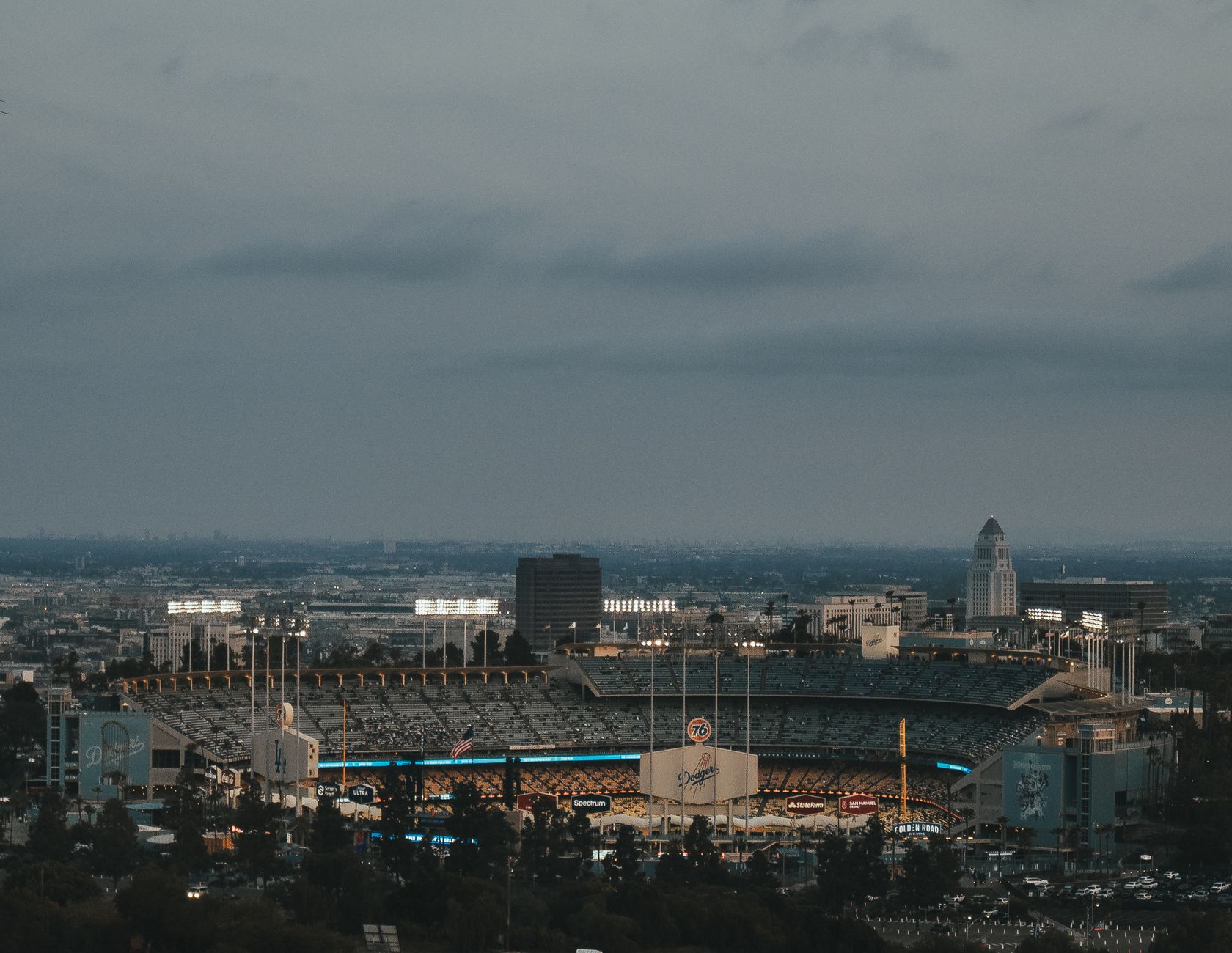
Photo by Nate Aguilar on Pexels
See the details before you finalize your travel, matchday timing, or betting research.
What about Atlanta and the soccer city of the South?
Atlanta brings a different 2026 football world cup profile: southern hospitality, strong club culture, Mercedes-Benz Stadium, and a reputation as a high-energy soccer market. Its role is not just hosting matches; it is showcasing how American soccer culture has matured beyond traditional coastal markets.
Atlanta’s strength is atmosphere. The city has built a serious football identity through Atlanta United FC, strong supporter culture, and major events at Mercedes-Benz Stadium. Unlike some host cities where World Cup energy may arrive mainly with international visitors, Atlanta already has a domestic soccer foundation. That means fan demand, local media coverage, and matchday intensity could be stronger than many first-time visitors expect.
From a tactical and betting perspective, Atlanta’s indoor stadium environment may reduce some weather variables while amplifying pace, sound, and pressing intensity. Teams comfortable in fast transitions may benefit if the pitch and atmosphere encourage aggressive phases of play. This is the kind of venue-specific angle that broad previews often miss: a neutral-site World Cup match is not always neutral in rhythm, because stadium architecture, crowd proximity, and playing surface can shape tempo.
Useful Atlanta planning priorities include:
- Book accommodation near transit or reliable rideshare corridors.
- Watch for late kickoff times that affect post-match travel.
- Compare team pressing metrics before betting totals or both-teams-to-score markets.
- Track official fan events, because local watch parties may sell out quickly.
For tactical previews by venue, visit our stadium-by-stadium World Cup betting guide.
Where does the 2026 football world cup fail?
The 2026 football world cup can fail for unprepared fans in three areas: travel complexity, information overload, and overconfident betting assumptions. A larger tournament creates more opportunities, but also more chances to misread logistics, squad rotation, and odds movement.
The first failure point is travel. Three host nations sound exciting, but cross-border movement adds friction. A fan trying to combine Vancouver, Los Angeles, and Mexico City needs to think about passports, flight schedules, airport transfer times, and recovery between matches. The second failure point is schedule interpretation. More fixtures mean more opportunities to watch football, but also a higher risk of missing key tactical context because attention is spread thin.
The third failure point is betting discipline. In a 104-match tournament, many casual bettors increase volume simply because more markets are available. That is not strategy. A better model is selective tracking: specialize in certain teams, groups, or market types. For example, Match Daily analysts often separate “public narrative matches” from “data-driven value matches.” Public narrative matches involve famous nations where odds may be compressed by fan sentiment; data-driven value matches often appear in lower-profile fixtures where team news, rest days, and tactical mismatches are underpriced.

Photo by Negative Space on Pexels
If you want sharper coverage instead of scattered predictions, start with focused tournament intelligence.
Should you try following the 2026 football world cup through Match Daily today?
Yes, Match Daily is useful if you want daily 2026 football world cup insights across match predictions, team tactics, player statistics, and tournament betting coverage. It helps fans move beyond hype and follow the competition with evidence-based structure.
The advantage of starting early is baseline knowledge. Before the tournament begins, you can track squad depth, manager decisions, injury history, qualifying form, and player workload from club seasons. Once the 2026 football world cup starts, markets move quickly, and casual fans often react after value has disappeared. According to research in sports forecasting, closing-line movement is often more informative than public opinion because it reflects updated information and sharper money.
However, Match Daily should be used as a decision-support tool, not a promise of guaranteed outcomes. Football has red cards, penalties, goalkeeper errors, and tactical surprises. The smarter goal is to improve your reasoning process. That means comparing projected lineups, checking rest periods, reading team tactical previews, and managing stake size responsibly.
A simple Match Daily workflow could look like this:
- Read the tactical preview 24 to 48 hours before kickoff.
- Check injury updates and likely starting elevens.
- Compare odds movement across major markets.
- Decide whether the price still offers value.
- Skip the bet if the edge is unclear.
For broader strategy, explore our responsible football betting bankroll guide.
Final take: how fans should approach 2026
The 2026 football world cup rewards preparation more than any previous edition because it is bigger, wider, and more operationally complex. Los Angeles offers eight matches and major fan celebrations, Atlanta brings one of the strongest American soccer atmospheres, and MetLife Stadium will host the final on July 19, 2026. Yet the smartest fans will connect the spectacle with disciplined planning: understand host-city logistics, monitor team context, and avoid betting on reputation alone.
Match Daily’s role is to make that process easier. By combining match predictions, team tactics, player stats, and tournament coverage, it gives fans a clearer view of what is happening and why it matters. Whether you are planning a trip to SoFi Stadium, watching a fan zone in Atlanta, or studying the final market at MetLife Stadium, evidence beats guesswork.
Ready to follow the 2026 football world cup with sharper daily insight?
Frequently Asked Questions
Q: What is the 2026 football world cup?
A: The 2026 football world cup is FIFA World Cup 26, a 48-team tournament hosted by the United States, Canada, and Mexico. It will feature 104 matches across 16 host cities, making it the largest edition in tournament history. The final is scheduled for July 19, 2026, at MetLife Stadium in the New York New Jersey area.
Q: How to plan for the 2026 football world cup as a fan?
A: Start by choosing host cities, checking match dates, booking flexible accommodation, and tracking official fan events. Los Angeles, for example, has eight matches, fan zones, and FIFA Fan Festival activity around LA Memorial Coliseum. You should also build extra time into travel plans because matchday traffic and security checks can affect arrival times.
Q: What is the difference between Los Angeles and Atlanta as 2026 host cities?
A: Los Angeles is a major entertainment hub with SoFi Stadium, fan zones, and 39 days of celebration, while Atlanta emphasizes supporter culture and Mercedes-Benz Stadium energy. LA may appeal more to fans seeking music, food, and citywide events. Atlanta may feel more concentrated around soccer identity and high-intensity matchday atmosphere.
Q: Is Match Daily worth using for 2026 football world cup betting insights?
A: Yes, Match Daily is worth using if you want structured match predictions, team tactics, player statistics, and odds-focused tournament coverage. It is designed for fans who want evidence-based analysis rather than emotional picks. However, betting always involves risk, so use insights with responsible bankroll management.
Q: Why do 2026 football world cup predictions fail?
A: Predictions fail when fans ignore team news, travel fatigue, squad rotation, market movement, and tactical matchups. The 2026 format adds complexity because 48 teams and 104 matches create more unfamiliar pairings. A disciplined approach should combine data, context, and price evaluation rather than relying only on famous team names.
Q: How much does it cost to follow the 2026 football world cup?
A: Costs vary widely depending on tickets, flights, hotels, host city, and how many matches you attend. A local fan-zone experience may be far cheaper than a multi-city trip involving Los Angeles, Atlanta, and New York New Jersey. Budget for transport, food, accommodation, and possible price surges around matchdays.
Thank you for reading.
Match Daily · The Sovereign Editorial · Vol. I