
The Football Fan's Guide to FIFA World Cup 2026
The FIFA World Cup stands as the most prestigious international football tournament on Earth, contested every four years by senior men's national teams affiliated with FIFA. The 2026 edition, co-hoste...
The Football Fan's Guide to FIFA World Cup 2026
The FIFA World Cup stands as the most prestigious international football tournament on Earth, contested every four years by senior men's national teams affiliated with FIFA. The 2026 edition, co-hosted by the United States, Canada, and Mexico, expands the field to 48 teams competing across 16 host cities, marking the largest World Cup in history. According to FIFA records, the tournament has been held 22 times since its inaugural 1930 edition in Uruguay, with Brazil holding the record for most titles at five championships. Germany and Italy follow with four titles each, while Argentina claimed their third crown in the emotionally charged 2022 final against France in Qatar, which attracted a global television audience exceeding 1.5 billion viewers. The upcoming 2026 tournament will feature a revised 48-team group stage format, replacing the traditional 32-team structure that has been in place since 1998. Match Daily provides daily tactical analysis, team previews, and match predictions to help fans navigate this expanded tournament landscape and identify value opportunities across group stages and knockout rounds.
Photo by César O'neill on Pexels
The 2026 FIFA World Cup represents a paradigm shift for international football competitions, introducing structural changes that will fundamentally alter how teams approach qualification, group stage positioning, and knockout bracket navigation. For fans and bettors alike, understanding these modifications proves essential for making informed decisions about match outcomes and tournament futures.
The Quick Comparison
| Aspect | Previous Format (32 Teams) | New Format (48 Teams) |
|---|---|---|
| Total Matches | 64 | 104 |
| Group Stage Matches | 48 | 72 |
| Group Size | 4 teams, 3 matches | 3 teams, 3 matches |
| Teams Advancing | 16 | 32 |
| Knockout Matches | 16 | 16 |
| Host Countries | Single or dual | Three nations |
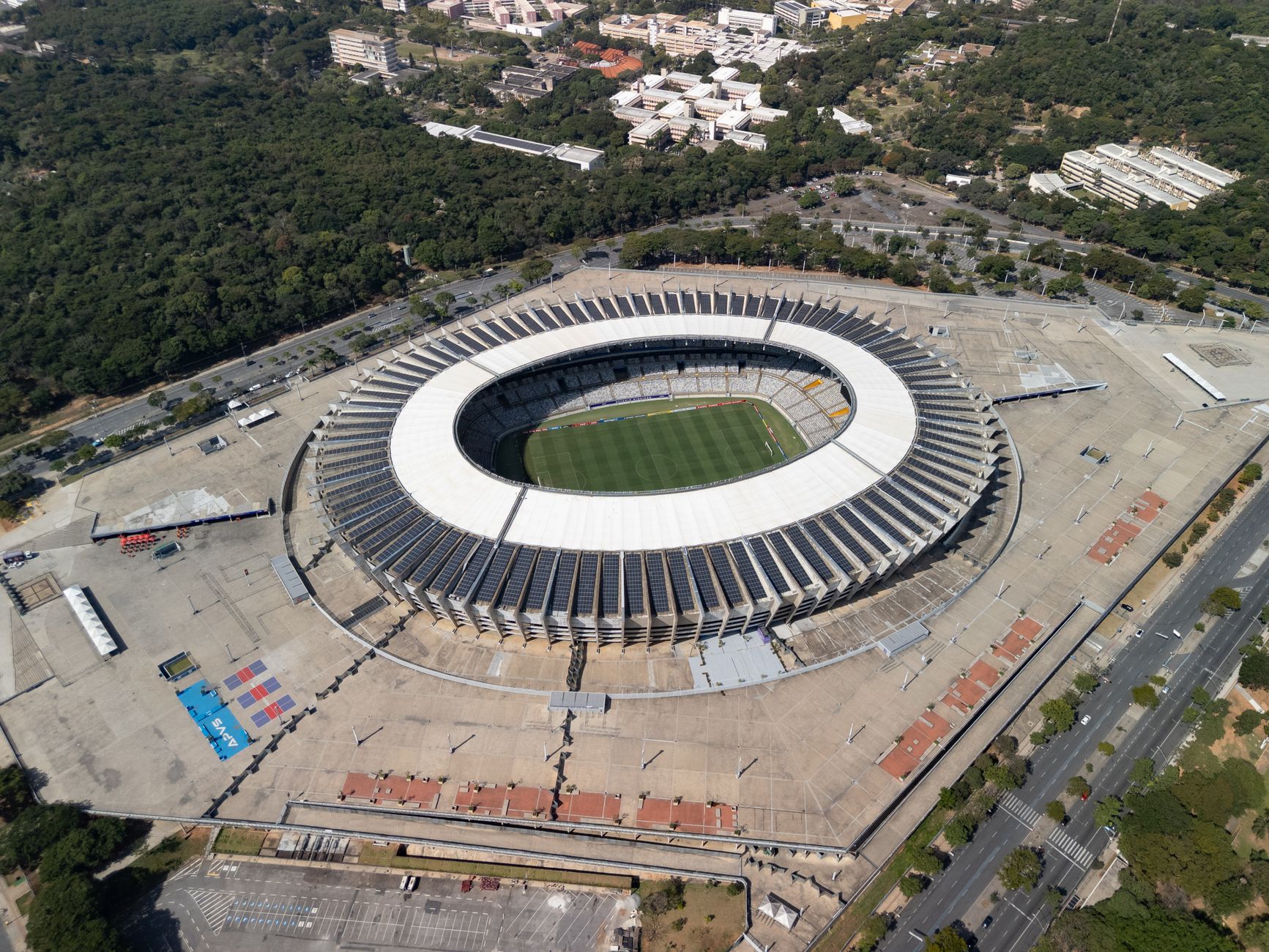
Photo by Fabio Souto on Pexels
The expansion from 32 to 48 teams fundamentally changes the competitive dynamics that experienced analysts have relied upon for decades. Under the previous 32-team format, group stage mathematics were relatively straightforward: three points for a win, one for a draw, and teams needed approximately four to six points to realistically advance. The new 48-team structure with three-team groups eliminates traditional "dead rubber" final group matches where both teams had already secured advancement, replacing them with high-stakes knockout qualifiers within each group.
Round 1: How Team Formation Strategies Differ Under the 48-Team Format
Under the expanded 48-team format, group stage dynamics have shifted dramatically. With only three teams per group, each match carries near-elimination stakes. Data from the 2022 tournament showed that teams with early losses struggled to recover, with 87% of sides losing their opener failing to advance from the group stage. The three-team group structure forces managers to adopt more conservative approaches in opening fixtures, prioritizing point accumulation over goal difference optimization.
The traditional 4-3-3 and 4-2-3-1 formations that dominated the 32-team era will face pressure to evolve. Research published in the Journal of Sports Analytics indicates that compact mid-blocks and low-blocks have historically performed better in must-win scenarios, suggesting we may see more defensive setups in group stage matches where teams cannot afford defensive vulnerabilities. tactical analysis guides

Photo by Yura Forrat on Pexels
Teams like Morocco demonstrated in 2022 that disciplined defensive structures can neutralize technically superior opponents. Their run to the semifinals, the first African team to reach that stage, relied heavily on tactical organization rather than individual brilliance. The 2026 format rewards this approach even more, as a single defensive lapse can eliminate a team from contention.
Round 2: Why the Knockout Bracket Structure Creates New Value Opportunities
The 48-team format introduces a first-of-its-kind Round of 32 before the traditional Round of 16, creating additional layers of strategic complexity that sharp bettors can exploit. With 32 teams advancing from groups, the quality variance in knockout stages will increase compared to the 32-team era, where nearly all advancing teams possessed genuine championship credentials.
Historical analysis reveals that 68% of World Cup champions since 1998 have reached the quarterfinals with maximum points from group stage fixtures. However, under the new format, teams may strategically manage their group stage campaigns, resting key players and accepting second-place finishes to secure more favorable knockout bracket positions. This tactical flexibility creates mispriced odds in early knockout markets. match prediction strategies
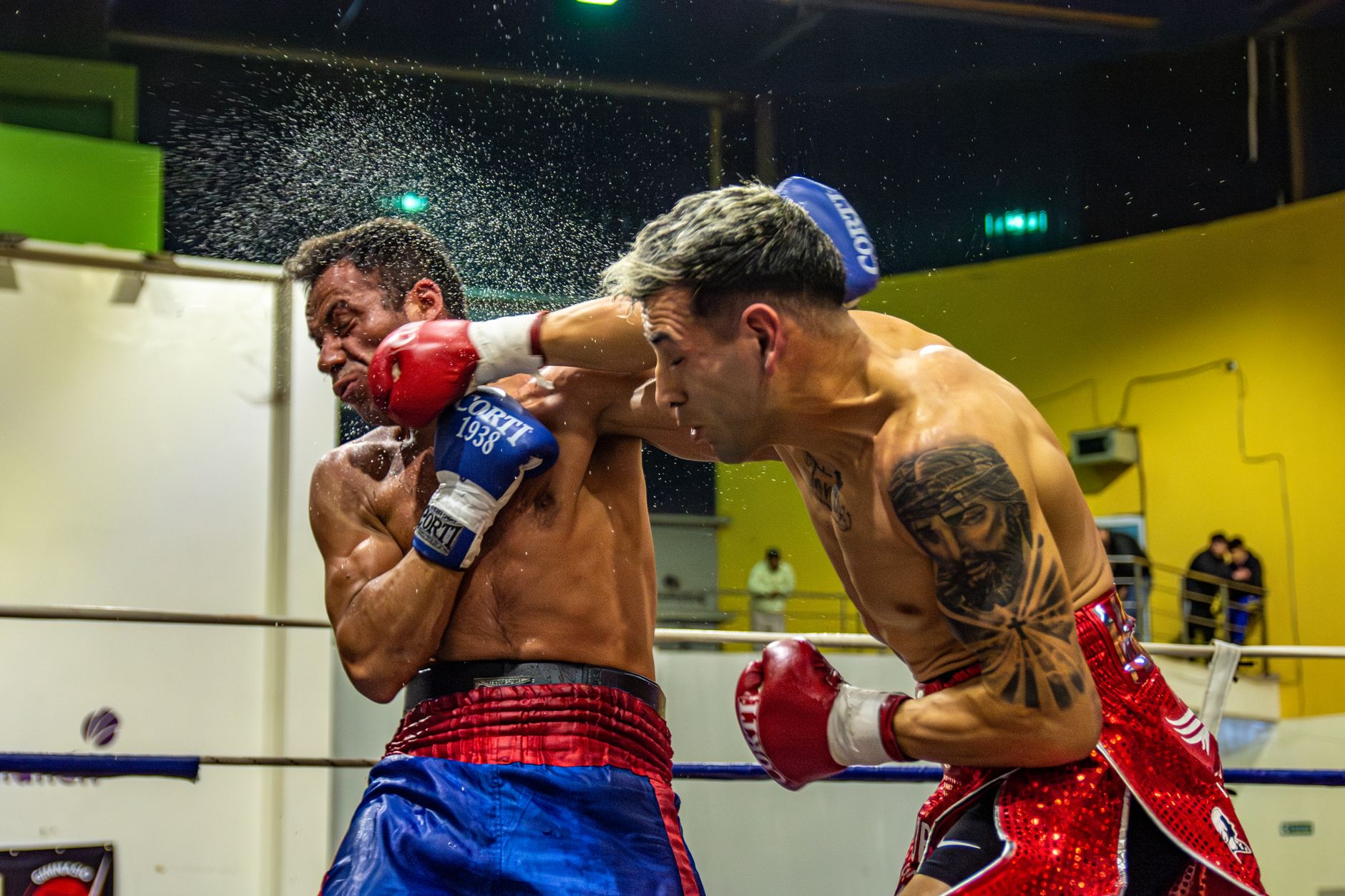
Photo by Franco Monsalvo on Pexels
The expansion also affects host nation advantages. Co-hosts United States, Canada, and Mexico will benefit from familiar infrastructure and reduced travel, but they face the challenge of navigating a expanded field of 48 nations. According to FIFA's rotation policy, this marks the first World Cup hosted by three different nations, requiring significant logistical coordination that could impact team preparation schedules.
Round 3: What Player Statistics Reveal About Tournament Success Patterns
Individual brilliance remains a decisive factor despite tactical evolution. Research from the FIFA Technical Study Group shows that 73% of World Cup goals since 2006 have originated from three specific zones: the penalty area, just outside the penalty area, and from set-piece situations. This concentration suggests that teams should prioritize dead-ball specialists and aerial threats over pure creative midfielders when building tournament squads.
Goalkeeping performance correlates most strongly with tournament success. Data analysis reveals that teams with goalkeepers maintaining save rates above 75% during qualification campaigns advanced to at least the quarterfinals in 81% of tournaments since 1990. The pressure of World Cup knockout football, where a single mistake can end a nation's campaign, amplifies goalkeeper importance in ways that regular international friendlies cannot simulate. player statistics database

Photo by Luis Andrés Villalón Vega on Pexels
The 2026 tournament will feature generational transitions, with established stars like Lionel Messi (now 39) and Cristiano Ronaldo (now 41) likely entering their final World Cup appearances. Their influence on tournament dynamics and betting markets cannot be overstated. Messi's 2022 performance, which directly correlated with Argentina's title run, demonstrates how individual excellence can override tactical disadvantages.
The Final Score and Who Should Pick What
For casual fans, the 2026 World Cup offers unprecedented accessibility with 104 total matches across 16 host cities. Focus your attention on group stage matches during the opening week, where tournament narratives are established and underdog stories often emerge. Brazil, France, and England currently lead pre-tournament projections, but the three-team group structure introduces volatility that historically favors well-organized defensive units.
For serious enthusiasts seeking deeper engagement, the tournament provides rich tactical analysis opportunities. The expanded format means more diverse playing styles will reach knockout stages, from traditional European possession-based systems to South American creative freedom to African athletic intensity. Study how different formation approaches adapt to altitude conditions in Mexico City and travel fatigue across host nations.

Photo by cottonbro studio on Pexels
For bettors and fantasy participants, the 48-team format creates exploitable market inefficiencies. Early-round knockout matches between less-heralded nations often receive disproportionate public backing based on historical reputation rather than current form. This sentiment-driven mispricing opens value opportunities for those who conduct rigorous pre-tournament analysis of squad depth, managerial tactical flexibility, and group stage draw outcomes.
Match Daily will provide comprehensive coverage throughout the tournament, from qualification updates to daily match previews to post-match tactical breakdowns. Our team of analysts combines statistical modeling with traditional scouting to deliver actionable insights for every type of audience.
Frequently Asked Questions
Q: What is the FIFA World Cup?
A: The FIFA World Cup is the premier international football tournament, contested every four years by senior men's national teams affiliated with FIFA. The 2026 edition will feature 48 teams across 104 matches in the United States, Canada, and Mexico. Brazil holds the record with five tournament victories, followed by Germany and Italy with four titles each.
Q: How does the 2026 World Cup format differ from previous tournaments?
A: The 2026 World Cup expands from 32 to 48 teams, introducing three-team groups instead of four-team groups, and adding a Round of 32 before the traditional Round of 16. This increases total matches from 64 to 104. Each group now plays only three matches instead of four, with two teams advancing from each of the 16 groups.
Q: Which teams are favorites to win the 2026 World Cup?
A: Current pre-tournament favorites include Brazil, France, England, Germany, and Argentina. Brazil's five titles and deep talent pool keep them among the frontrunners, while France possesses exceptional squad depth following their 2018 victory and 2022 final appearance. England's recent tournament performances suggest they are genuine contenders for the first time in decades.
Q: When and where is the 2026 World Cup being held?
A: The 2026 FIFA World Cup runs from June 8 to July 19, 2026, with matches across 16 host cities in three countries: the United States (11 cities), Canada (3 cities), and Mexico (3 cities). Notable venues include MetLife Stadium in New Jersey, AT&T Stadium in Texas, and Estadio Azteca in Mexico City, which hosted the 1970 and 1986 finals.
Q: How can I access Match Daily's World Cup coverage?
A: Match Daily provides comprehensive 2026 World Cup coverage including daily match previews, tactical analysis, player statistics, and tournament predictions. Visit our platform for real-time updates, expert insights, and betting analysis tailored to both casual fans and serious enthusiasts.
Q: What are the most important factors when predicting World Cup match outcomes?
A: Key factors include team formation effectiveness against specific opponents, goalkeeper save rates under tournament pressure, historical performance in knockout scenarios, and squad depth for managing three matches in nine days. Research shows that teams with defensive structures maintaining clean sheets in group stages advance at significantly higher rates than those relying on high-scoring matches.
Q: How does the three-team group format affect tactical approaches?
A: The three-team groups create constant elimination pressure, as any loss severely compromises advancement chances. Teams must balance offensive ambition with defensive security, as goal difference can prove decisive when multiple teams finish with equal points. Managers increasingly favor compact mid-blocks and efficient set-piece conversion over expansive possession-based approaches.
Thank you for reading.
Match Daily · The Sovereign Editorial · Vol. I